The History Of Nafplio: Mycenaean Port To Greece's First Capital
Nafplio, a small coastal town on the Argolic Gulf in the Argolid, was the capital of Greece from 1827 to 1834, and its fortresses, mosques and parliament building record more than six centuries of Venetian, Ottoman and Greek rule.
Short answer
Nafplio served as the capital of modern Greece from 1827 to 1834, after centuries under Venice and the Ottoman Empire. Its layered past survives in Akronafplia, Palamidi Fortress, Bourtzi and the Vouleftiko, the first parliament building, all within walking distance of Syntagma Square.
Nafplio is a small coastal town of about 14,500 residents on the Argolic Gulf, in the Argolid region of the north-east Peloponnese, and its history is unusually dense for a town of its size. It was a port serving the Bronze Age centres of the Argive plain, a fortress town fought over by Venice and the Ottoman Empire across four centuries, and then the first capital of the modern Greek state from 1827 to 1834. Almost every stage of that story survives in stone within a fifteen-minute radius of Syntagma Square: the Akronafplia acropolis above the harbour, the Bourtzi islet, the vast Palamidi Fortress, the Vouleftiko parliament building and the Church of Agios Spyridon where the first head of state was assassinated. This page lays out that history in order, with the dates the primary sources give, the corrections to the versions that circulate online, and what you can still stand in front of today.
What Is The History Of Nafplio In One Page?
Nafplio's recorded past runs from an ancient acropolis on Akronafplia, through Venetian rule from 1389 to 1540 and again from 1686 to 1715, Ottoman rule from 1540 to 1686 and 1715 to 1822, to its role as capital of Greece from 1827 to 1834. The town was a Mycenaean-era port serving the Argive plain, and the modern state's first government, first parliament sessions and first assassinated head of state all belong to its seven years as capital.
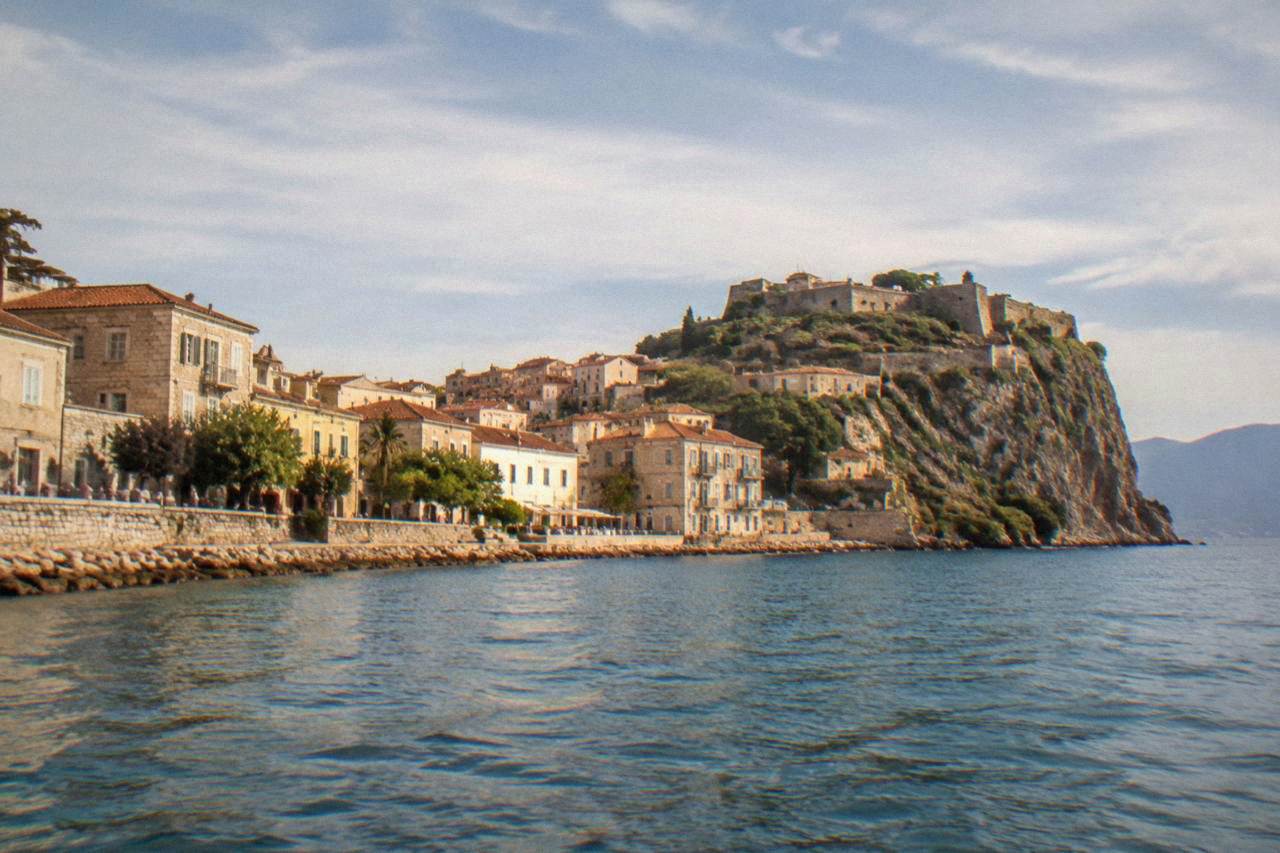
That compressed summary is worth unpacking, because the town's layout still follows it. The oldest layer is Akronafplia, the rocky headland above the harbour, whose polygonal walls date from at least the end of the 4th century BC according to the Ephorate of Antiquities of Argolida. The Venetians, who held the town in two long periods, built the sea defences and began Bourtzi; the Ottomans held it twice in between. The Greek revolutionary forces took Palamidi in 1822, and five years later the town became the seat of the new state.
For planning a visit around this history, the practical anchors are Syntagma Square, the Archaeological Museum in the old Venetian arsenal, and the steep walk up to Palamidi, which stands 216 m above the Old Town. The Ministry of Culture's visiting pages give the current tickets and hours for the main state sites, and the details are summarised further down this page.
How Old Is Nafplio And What Survives From Antiquity?
The visible ancient core of Nafplio is Akronafplia, whose organised fortifications with polygonal masonry date from at least the end of the 4th century BC, per the Ephorate of Antiquities of Argolida. The name itself goes back to Nauplius, a mythological founder remembered as a son of Poseidon, and the town's harbour served the Bronze Age and later centres of the Argive plain, Mycenae, Tiryns and Argos.
The paradox of ancient Nafplio is that the town itself was rarely the star. The great powers of the surrounding plain, above all Mycenae, about 32 minutes' drive away, and Tiryns, about 9 minutes, dominate the archaeological record, and both are inscribed together as the UNESCO Archaeological Sites of Mycenae and Tiryns since 1999. Nafplio was the working port those inland centres used, and its own ancient remains were largely built over by medieval and modern fortifications.
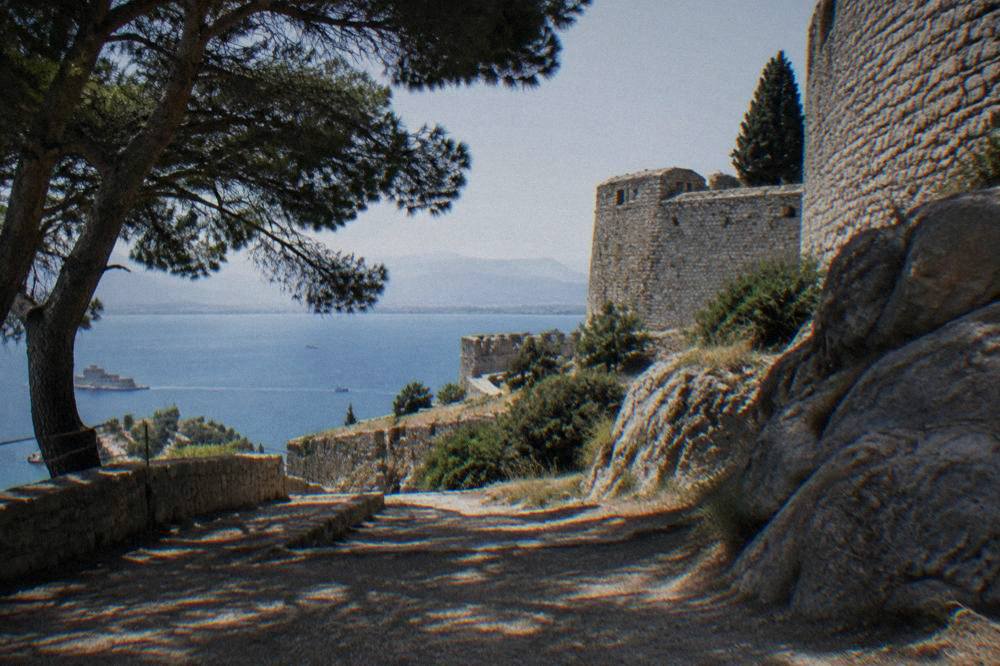
What you can see today is nonetheless substantial. Akronafplia's walls show building phases from antiquity through the Frankish period, which the Ephorate dates from 1210/12 to 1389, and through both Venetian periods. Finds from the surrounding region, including Mycenaean material, are displayed in the Archaeological Museum of Nafplio on Syntagma Square, which the Ministry lists at 10 euro full and 5 euro reduced, open 08:30 to 15:30 all year and closed every Tuesday. For the deeper Bronze Age story, the museum at Mycenae itself is the place to go, and a guided transfer makes sense if you want the context rather than just the ruins.
Why Did Venice And The Ottomans Fight Over Nafplio?
Nafplio changed hands between Venice and the Ottoman Empire four times: Venice ruled from 1389 to 1540, the Ottomans from 1540 to 1686, Venice again from 1686 to 1715, and the Ottomans from 1715 to 1822, per the Argolida Ephorate and standard chronologies. The reason is the harbour: a fortified deep-water anchorage on the Argolic Gulf commanding the sea lanes to the Saronic Gulf and the Aegean.
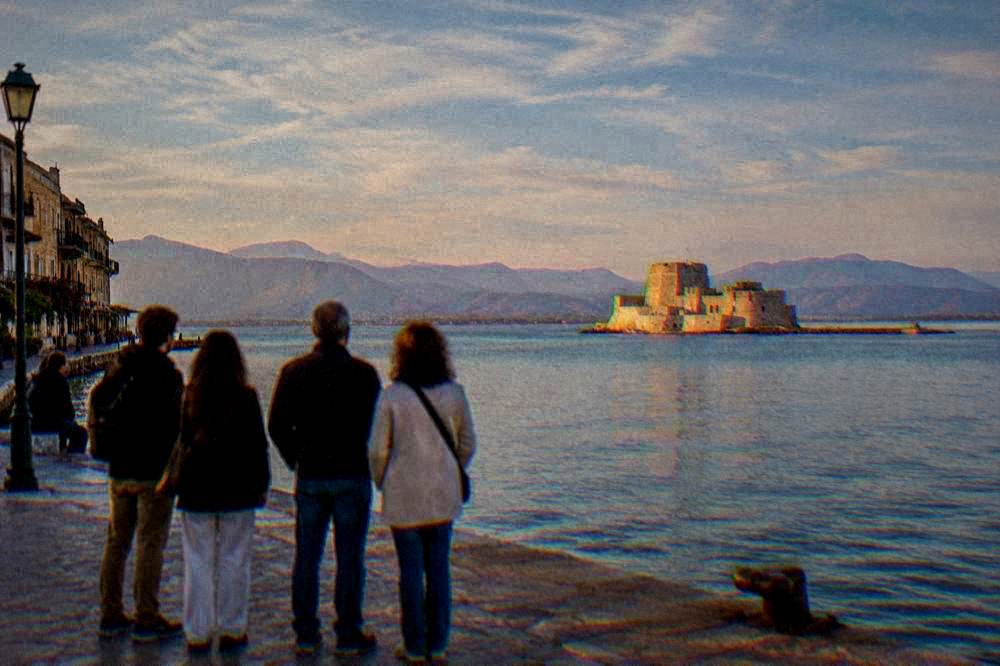
Each ruling power left stone behind, and the sequence is readable on a single walk. The first Venetian period gave the town its early-modern sea walls; the second Venetian period, during which the Venetians called the wider region the Kingdom of Morea, produced the two landmarks the town is photographed for. Bourtzi, the fortified islet in the harbour, was begun in June 1471 to designs by the architect Antonio Gambello, with works surveyed by Niccolo Brancaleone, according to the Bourtzi site's own history page. Palamidi Fortress, built 1711 to 1714 to plans by the engineers Giaxich and Lasalle, stands 216 m above the Old Town and was the last great Venetian project here before the Ottomans took it in 1715.
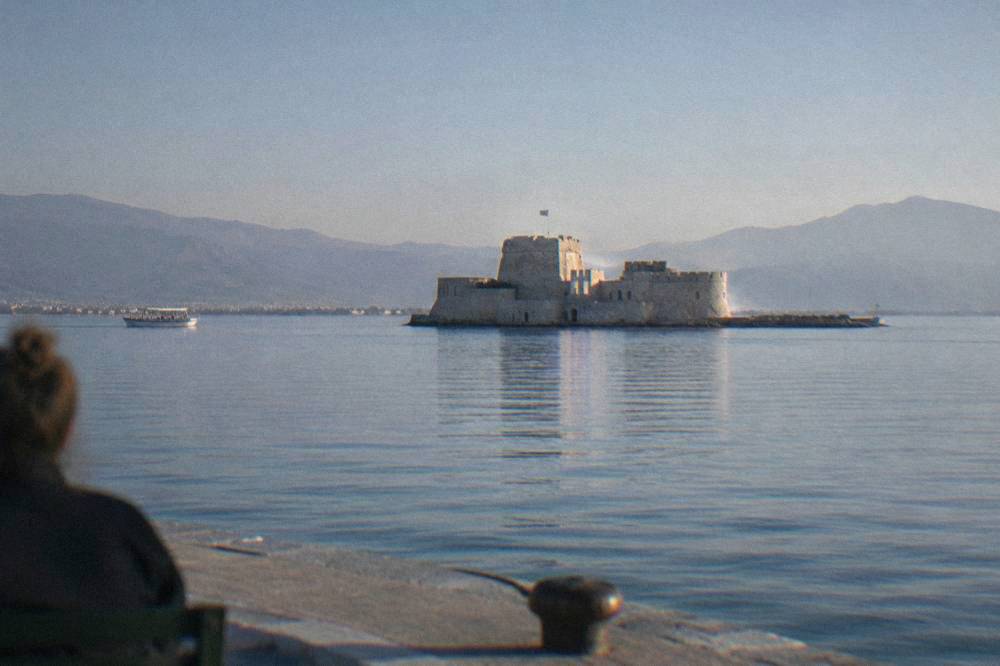
The Ottoman periods added their own layer, above all the Aga Pasha mosque on the main square, which later became the Vouleftiko, and residential quarters such as Psaromachalas above the northern walls. The Land Gate, at the eastern edge of the Old Town, and the Five Brothers Bastion belong to the defensive ring that made the town so contested. A themed walk through the harbour and waterfront takes in Bourtzi's seaward face, and Bourtzi is open to visitors, at 7 euro full and 5 euro reduced per the Ministry of Culture, reached by boat for a separate fee.
How Did Nafplio Become The First Capital Of Greece?
Nafplio was chosen as the capital of Greece in 1827 and held that role until 1834, when the capital moved to Athens; the municipality's own history pages use exactly that wording, "capital of Greece (1827-1834)". The town had served as a seat of the provisional revolutionary government earlier in the 1820s, and the claim "first capital of the modern Greek state" appears on the Greek National Tourism Organisation's own page for the town.
The revolutionary decade made the town's fortune. Greek forces took Palamidi in a night assault in 1822, which forced the surrender of the garrison at Akronafplia below it, and the fortress town then became the natural administrative base for the struggle. Ioannis Kapodistrias, the first head of state of modern Greece, arrived in January 1828, per contemporary accounts that split between 7 and 8 January, and governed from Government House, a building of 1829 that still stands in the Old Town.
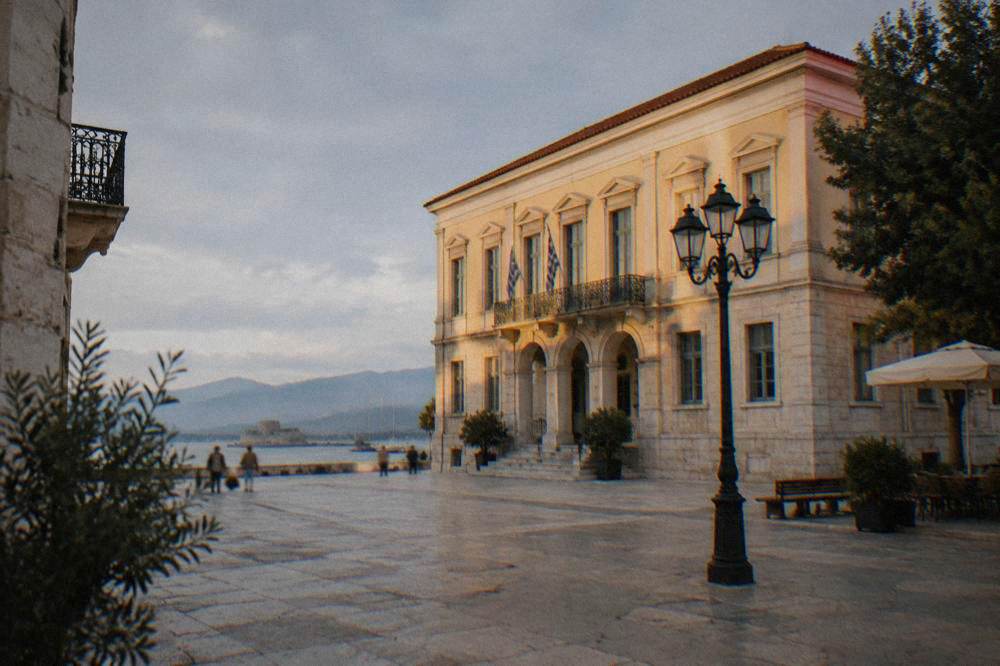
His term ended violently. Kapodistrias was assassinated in September 1831 on the steps outside the Church of Agios Spyridon, an event the town marks to this day; print no exact day for it, as the sources differ on the calendar conversion. The Vouleftiko, the former Aga Pasha mosque on Syntagma Square, had already hosted the first Greek parliament sessions from 1825, and you can read its full story on the first parliament page. King Otto arrived in February 1833, per reported accounts, and the capital moved to Athens in 1834, ending Nafplio's seven years at the centre of the new state. The reasons are covered in detail on this site's answers page on the capital question: a fortified port, far from the contested north, with the infrastructure a government needed.
The key dates of the capital years, and the years around them, sit together in the table below.
| Year | Event in Nafplio |
|---|---|
| 1822 | Greek forces take Palamidi by night assault; Akronafplia surrenders |
| 1825 | First Greek parliament sessions held in the Vouleftiko |
| 1827 | Nafplio chosen as capital of Greece |
| 1828 | Kapodistrias arrives in January and governs from the town |
| 1829 | Government House built |
| 1831 | Kapodistrias assassinated in September outside the Church of Agios Spyridon |
| 1833 | King Otto arrives in February |
| 1834 | The capital moves to Athens |
What Did The Capital Years Leave In The Town?
The capital years left Nafplio with Greece's first parliament building, the Vouleftiko; Government House of 1829; the Church of Agios Spyridon with its assassination memorial; the Lion of Bavaria, carved 1840 to 1841; and a neoclassical building stock that shaped the Old Town you walk through today. The Kolokotronis statue and the squares around it complete the revolutionary-era layer.
The Lion of Bavaria deserves its own sentence. It was carved from 1840 to 1841 by the Bavarian sculptor Christian Heinrich Siegel as a copy of Thorvaldsen's Lion of Lucerne, commissioned by Ludwig I of Bavaria in memory of the Bavarian soldiers of King Otto's escort who died in the typhus epidemic in Nafplio, and it rests in the Pronoia district, a short walk over the Arvanitia side of the headland. It is one of the few monuments in Greece erected for foreign soldiers of the new state's founding years. The rest of the planning pages sit on Nafplio Travel Guide.
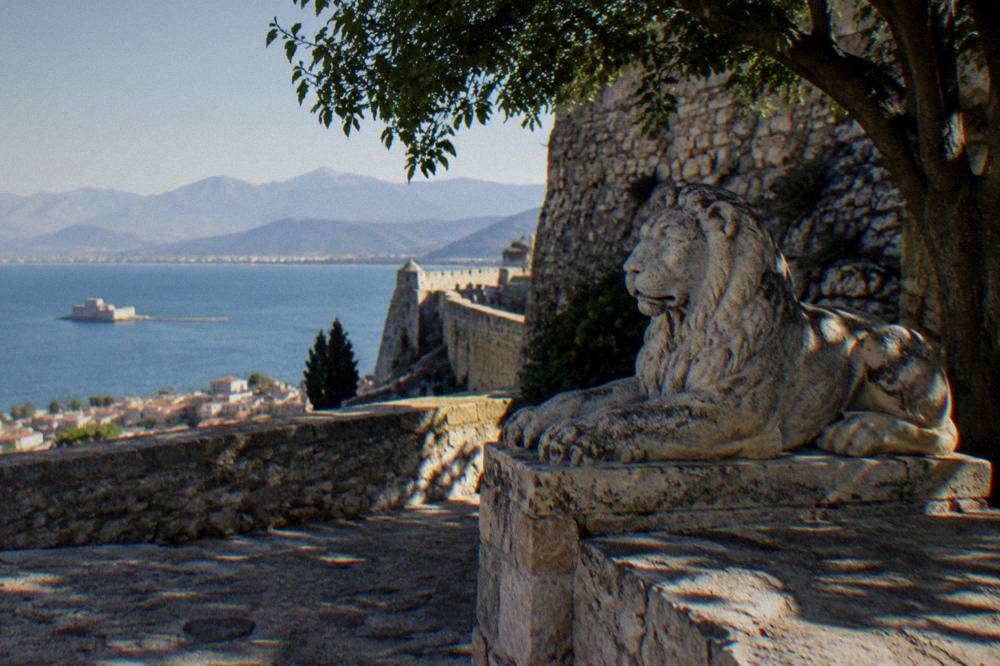
After the capital left, the town settled into the role it keeps today: a provincial port with an unusually grand architectural inheritance. The buildings around Syntagma Square layer Venetian, Ottoman and neoclassical phases within a few metres of each other, the Archaeological Museum occupies the old Venetian arsenal, and the Kolokotronis statue anchors the revolutionary memory of the town. The table below puts the whole ruling sequence in one view.
| Period | Ruler | What it left in Nafplio |
|---|---|---|
| To 1389 | Byzantine, Frankish (1210/12 to 1389) | Akronafplia fortifications, Frankish castle phases |
| 1389 to 1540 | First Venetian period | Bourtzi begun June 1471, sea walls |
| 1540 to 1686 | First Ottoman period | Aga Pasha mosque (later Vouleftiko), Psaromachalas quarter |
| 1686 to 1715 | Second Venetian period | Palamidi Fortress built 1711 to 1714 |
| 1715 to 1822 | Second Ottoman period | Reinforcement of Palamidi and the Land Gate |
| 1822 to 1834 | Revolutionary and capital years | Palamidi taken 1822, capital from 1827, Government House 1829 |
| After 1834 | Modern Greece | Lion of Bavaria 1840 to 1841, neoclassical Old Town |
Which Historic Sights Can You Visit In Nafplio Today?
The main historic sights open to visitors are Palamidi Fortress at 20 euro full and 10 euro reduced in 2026, Bourtzi at 7 euro and 5 euro, the Archaeological Museum of Nafplio at 10 euro and 5 euro, and the Argos agora and theatre ticket at 10 euro and 5 euro, all per the Ministry of Culture's visiting pages. Akronafplia, the Vouleftiko, the churches and the squares are walked freely, and state sites open free on set days each year.
Hours follow the state schedule: in winter sites run 08:30 to 15:30, in April 08:00 to 19:00, from 2 May 2026 08:00 to 20:00, with stepped reductions through September and October. The free-admission days are 6 March, 18 April, 18 May, the last weekend of September, the first and third Sundays of each month from November to March, and 28 October. Epidaurus, whose winter hours are 08:00 to 17:00 and from 1 March 2026 08:00 to 18:00, costs the same 20 euro full ticket as Palamidi and Mycenae.
| Sight | 2026 ticket (full / reduced) | Notes |
|---|---|---|
| Palamidi Fortress | 20 / 10 euro | Stairway of about 850 steps; reduced ticket 1 Oct to 31 May only |
| Bourtzi | 7 / 5 euro | Reached by boat for a separate fee |
| Archaeological Museum of Nafplio | 10 / 5 euro | 08:30 to 15:30, closed Tuesdays |
| Mycenae (site, museum, Treasury of Atreus) | 20 / 10 euro | UNESCO, inscribed 1999, about 32 minutes' drive |
| Epidaurus (theatre, sanctuary, museum) | 20 / 10 euro | UNESCO, inscribed 1988, about 41 minutes' drive |
| Argos agora and theatre | 10 / 5 euro | One combined ticket, about 18 minutes' drive |
The town-layer sights need no ticket at all: Akronafplia's walls, the Land Gate, Psaromachalas, the Vouleftiko's exterior and the squares. For the town's story told aloud, the hop-on hop-off bus and the guided tours of the surrounding sites cover different halves of it, and the options below pair a Mycenae-focused private tour with an Athens-based legends itinerary.
How Do You Plan A History-Focused Trip Around Nafplio?
A history-focused plan works best with two bases of sightseeing: the town itself, where Palamidi, Bourtzi, the Vouleftiko and the museums sit within walking distance, and the Argive plain, where Mycenae, Tiryns, Argos and Epidaurus lie between 9 and about 41 minutes' drive from Syntagma Square. Two full days cover the town layer well; a third day absorbs Epidaurus and the Argos sites.
The drive times below are computed over road routing in free-flow conditions, so treat them as a floor rather than a promise for summer afternoons.
| Historic site | Drive from Syntagma Square | Distance by road |
|---|---|---|
| Tiryns | about 9 minutes | 5 km |
| Argos | about 18 minutes | 14.5 km |
| Mycenae | about 32 minutes | 25 km |
| Epidaurus Theatre | about 41 minutes | 28 km |
| Palaia Epidavros | about 47 minutes | 37 km |
| Ancient Nemea | about 46 minutes | 38 km |
Timing matters more than people expect. The Ministry's summer hours run to 20:00 from 2 May, which makes early-evening visits to Palamidi possible in the shoulder months, when the HNMS Argos station, 1980 to 2010, shows mean daily highs of 21.3 C in April and 26.5 C in May against 34.0 C in July. November is the rainier month at 82.5 mm on the same station record, against 8.9 mm in June, so the spring and autumn months suit long days of fortress walking best; the site's best time to visit and weather pages carry the full tables.
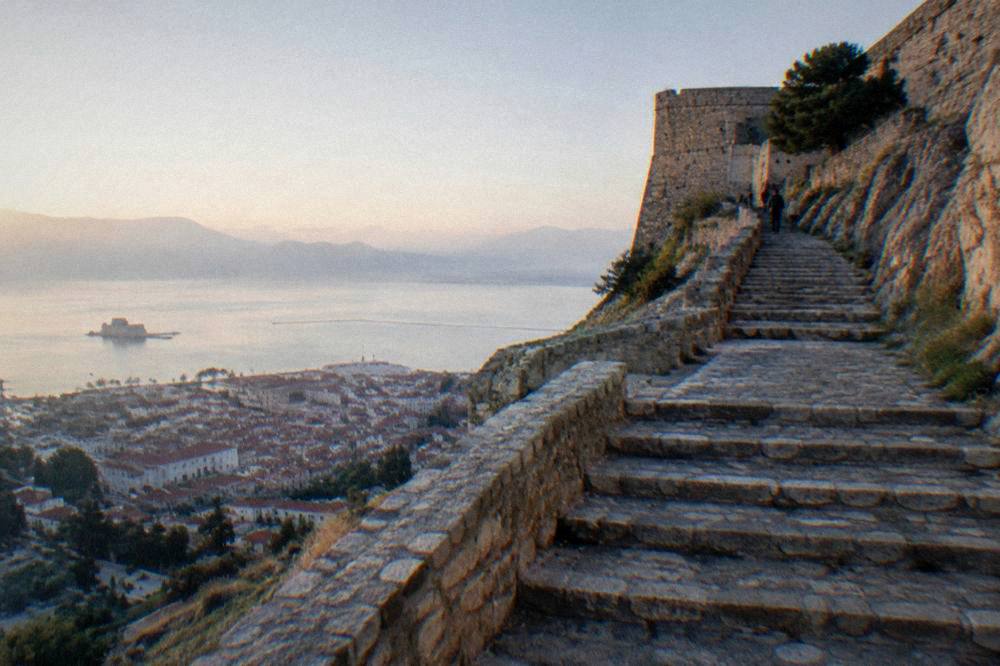
Getting there is straightforward. There is no train to Nafplio in 2026, and no scheduled ferry from the town to the islands, so arrival is by road: the KTEL coach from Athens runs to a reported fare of about 15.70 euro one way over about 2 hours 10 minutes, per the operator's published fares, and driving from Athens covers about 141 km. The site's getting around, car rental and parking guides handle the details. For sleeping, the where to stay page maps the historic quarters, and a stay inside the Old Town puts the whole timeline at your feet.
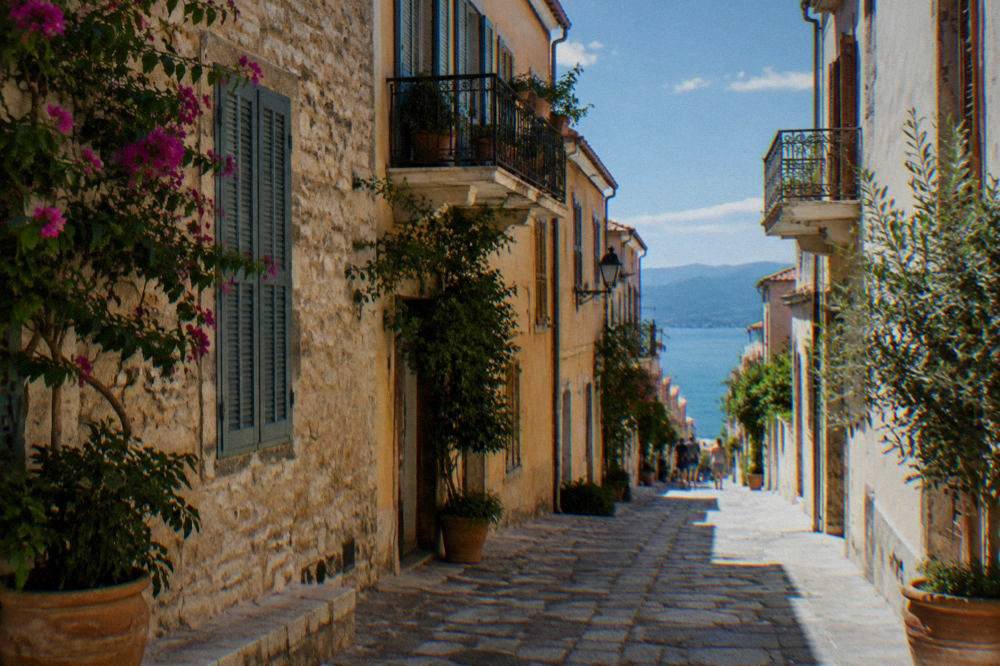
If the Bronze Age half of the story pulls hardest, the Mycenae and Epidaurus pairing is the classic excursion, and doing it with a guide turns two sets of ruins into a narrative. The options below cover both a shared-budget approach and a private one with entrances included.
What History Mistakes Should You Not Repeat?
The four errors to watch for in older guides are the legendary 999 steps of Palamidi, usually counted at 857; the wrong capital dates, Nafplio was capital from 1827 to 1834, not 1829; the old ticket prices, Palamidi, Mycenae and Epidaurus all cost 20 euro full in 2026; and the claim of a train or scheduled ferry to the town, neither exists in 2026. Each correction traces to a primary source, the Ministry of Culture's pages and the municipality's own history site.
The step count is the most repeated. Local guide sites and the count they publish put the east-side stairway at 857 carved steps, and the 999 figure is folklore that stuck. The capital dates matter because the "1829" version erases the assembly decision of 1827 and the Kapodistrias arrival of 1828; the municipality's own history pages use 1827 to 1834, and that is the form to trust.
Prices drift the same way. The 8 and 10 euro Palamidi tickets of earlier years are gone, replaced by the 20 and 10 euro tariff, and the same applies at Mycenae and Epidaurus.
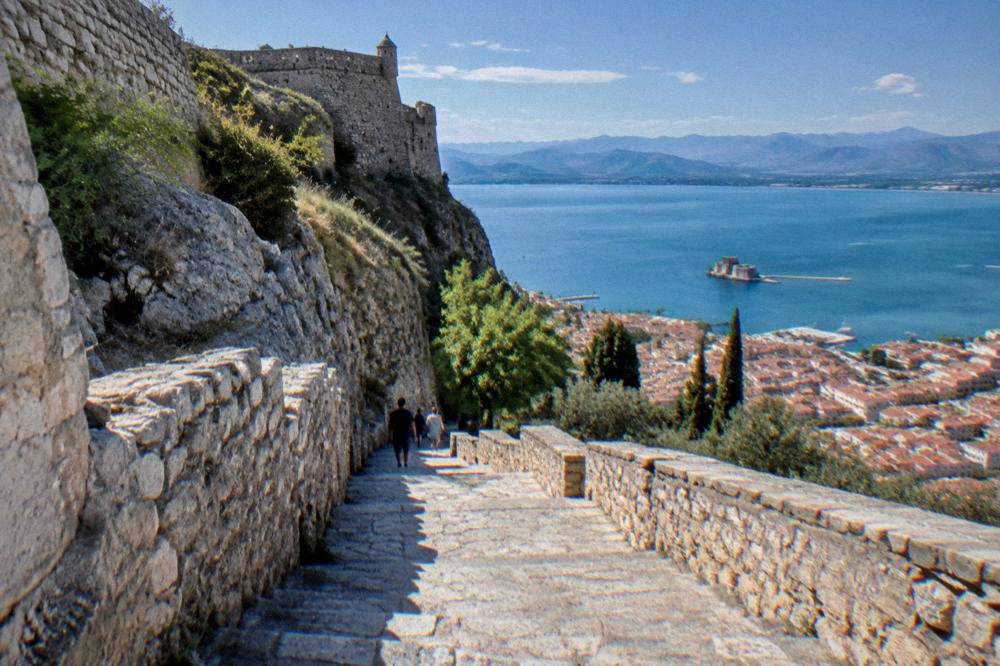
For travellers arriving by sea rather than road, the walkability question has its own answer on the site's cruise port page, and the town's wider sights are rounded up on the things to do in Nafplio page. Whether the history draws you for a weekend or a week, the sequence is always the same walk: up to the fortress the Venetians lost, down through the square where the state was run, and out along the waterfront past the islet that guarded it all.
For the deeper excavated layer of that story, Mycenae and Epidaurus wait in the plain behind the town, and a guided visit connects them to the fortress capital on the water.
Common Questions About The History Of Nafplio
Why was Nafplio the first capital of Greece?
Nafplio was chosen as capital in 1827 by the national assembly because it was a fortified port with working infrastructure after the revolution, and it held the role until the capital moved to Athens in 1834. The municipality's own history pages state "capital of Greece (1827-1834)", and the Greek National Tourism Organisation calls it the first capital of the modern Greek state.
How long was Nafplio the capital of Greece?
Seven years, from 1827 to 1834. Kapodistrias arrived in January 1828 and governed until his assassination in September 1831, King Otto arrived in February 1833, and the capital moved to Athens in 1834.
Who built Palamidi Fortress?
The Venetians built Palamidi between 1711 and 1714 to plans by the engineers Giaxich and Lasalle; the Ottomans took it in 1715, and Greek revolutionary forces captured it in a night assault in 1822. It stands 216 m above the Old Town.
Does Palamidi really have 999 steps?
No, the 999 figure is legend. The stairway is usually counted at 857 carved stone steps, so say about 850. The fortress ticket in 2026 is 20 euro full and 10 euro reduced, with the reduced ticket sold only from 1 October to 31 May.
What can you see from the Venetian and Ottoman periods in Nafplio?
Bourtzi, begun in June 1471, the sea walls and the Land Gate from the Venetian periods, and the Vouleftiko, originally the Aga Pasha mosque of the Ottoman period, plus the Psaromachalas quarter. Bourtzi is open by boat with a 7 euro full ticket per the Ministry of Culture.
Where was Kapodistrias assassinated?
On the steps outside the Church of Agios Spyridon in the Old Town, in September 1831. The church stands a short walk from Syntagma Square and carries a memorial plaque; print no exact day for the event, as the sources differ on the calendar conversion.