Archaeological Museum Of Nafplio: Mycenaean Armour And Pottery
The Archaeological Museum of Nafplio sits in the Venetian arsenal on Syntagma Square and holds the finds of the Argolid, the region that produced Mycenae, Tiryns, Asini and Lerna. This guide covers the 2026 ticket, the Tuesday closure, what the collection actually contains, and how to fit it into a day in the Old Town.
Short answer
The Archaeological Museum of Nafplio costs 10 euro full and 5 euro reduced, opens 08:30 to 15:30 all year and is closed every Tuesday. It is inside the Venetian arsenal on Syntagma Square, a two-minute walk from the centre of the Old Town.
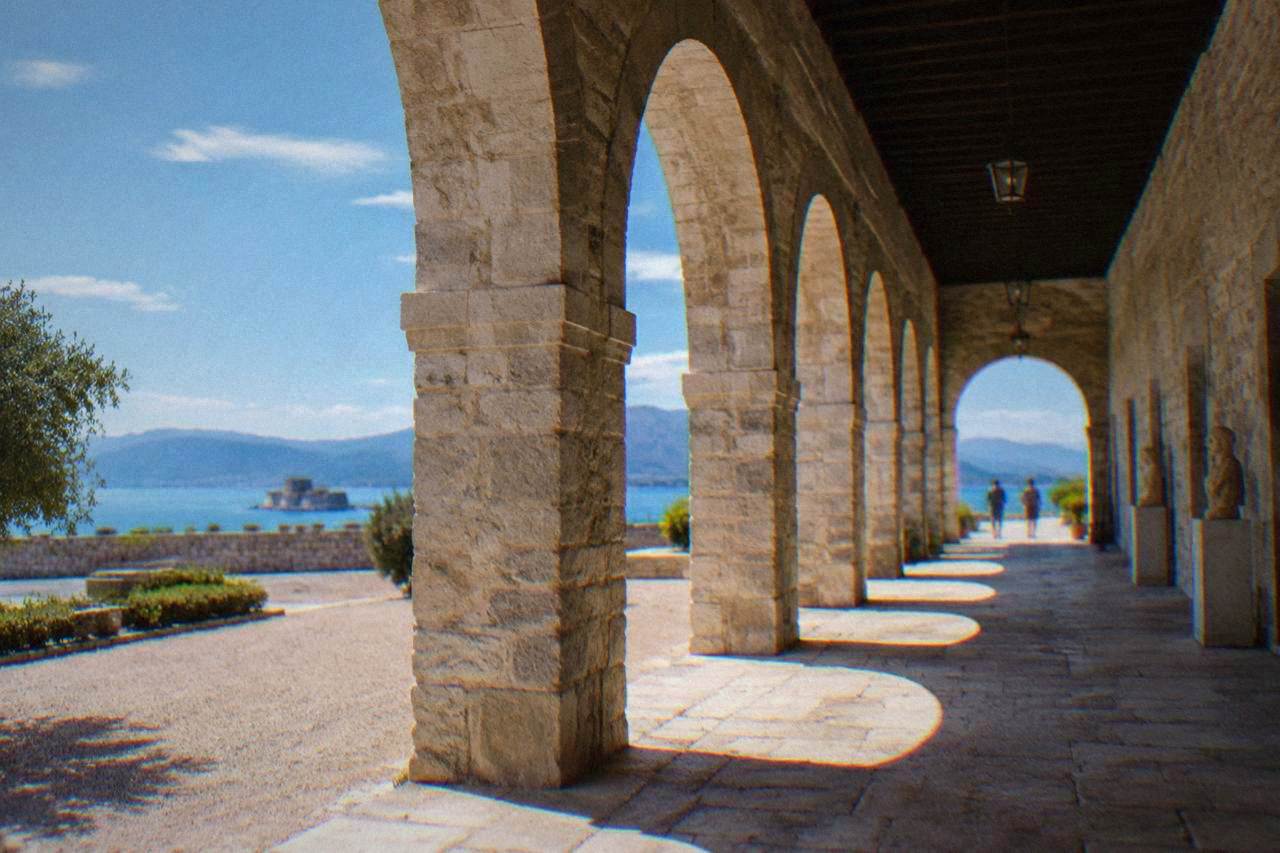
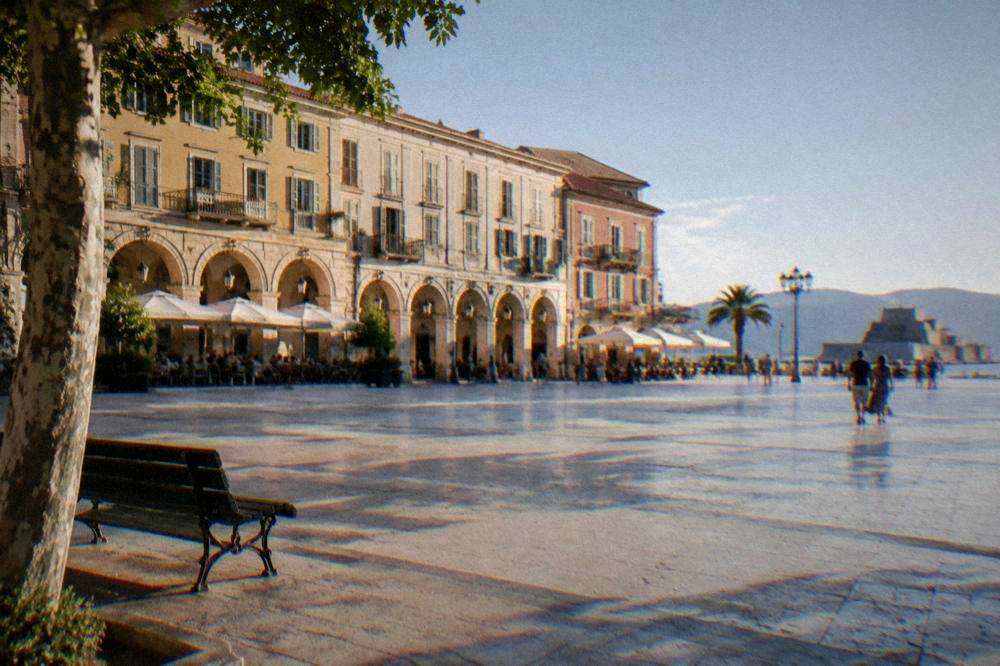
The Archaeological Museum of Nafplio stands on Syntagma Square, in the middle of the Old Town of Nafplio, a coastal town of about 14,500 residents on the Argolic Gulf in the Argolid, in the north-east Peloponnese of mainland Greece. The museum occupies the Venetian arsenal, a stone two-storey building from the town's second Venetian period, and its collection covers the whole Argolid plain: the great Bronze Age centres of Mycenae and Tiryns, the cemeteries of Asini and Dendra, the prehistoric layers of Lerna, and the fringes of Argos. For a town its size the setting is unusually rich, because Nafplio was the capital of Greece from 1827 to 1834 and the state's archaeological administration grew around the region, as the history of Nafplio records in detail.
Practical basics first, because they trip people up. The Ministry of Culture's visiting page lists the museum at 10 euro full and 5 euro reduced, open 08:30 to 15:30 all year and closed every Tuesday. That single fixed winter-length timetable, unchanged through summer, is the detail that catches afternoon planners: this is not a site that stays open until eight in the evening the way Palamidi Fortress does from May onwards. Go in the morning, or build the museum into a rainy-day plan like the one described for Nafplio in winter and rain.
What Are The Archaeological Museum Of Nafplio Hours And Tickets In 2026?
The Archaeological Museum of Nafplio charges 10 euro for a full ticket and 5 euro reduced, opens 08:30 to 15:30 all year round, and is closed every Tuesday, according to the Ministry of Culture's own visiting page. Unlike Palamidi, Mycenae and Epidaurus, whose hours stretch to 20:00 in summer, this museum keeps one timetable across the whole year, so a late-afternoon visit is never possible.
The reduced ticket sits inside the state-wide rule: reduced admission at Greek state sites is sold only from 1 October to 31 May, so in the height of summer the full ticket is the only one on offer. The same Ministry pages list the free-admission days that apply to state museums and sites: 6 March, 18 April, 18 May, the last weekend of September, 28 October, and every first and third Sunday from November to March. If your dates overlap one of those Sundays, the museum costs nothing.
Closed days worth flagging: every Tuesday, plus the standard state closures on 1 January, 25 March, 1 May, Easter Sunday and 25 to 26 December. A Tuesday arrival in Nafplio should swap the museum for Bourtzi or a walk up to Akronafplia, both of which open on Tuesdays.
| Site in Nafplio | Full ticket 2026 | Reduced ticket | Hours | Closed |
|---|---|---|---|---|
| Archaeological Museum | 10 euro | 5 euro | 08:30 to 15:30 all year | Every Tuesday |
| Palamidi Fortress | 20 euro | 10 euro | Winter 08:30 to 15:30; from 2 May 08:00 to 20:00 | 1 Jan, 25 Mar, 1 May, Easter Sun, 25 to 26 Dec |
| Bourtzi | 7 euro | 5 euro | Varies by month, 09:00 to 21:00 in July and August | 1 Jan, Easter Sun, 25 Dec |
| Argos agora and theatre | 10 euro | 5 euro | 08:30 to 15:30 | State closure days |
| Asini | 5 euro | 3 euro | State schedule | State closure days |
One planning note that follows from the table: Palamidi and the museum share the 08:30 winter opening, but Palamidi runs hours longer in summer. A workable July shape is the museum at opening, Palamidi in the late afternoon when the heat has dropped, and the evening free for the harbour and waterfront.
What Does The Archaeological Museum Of Nafplio Actually Contain?
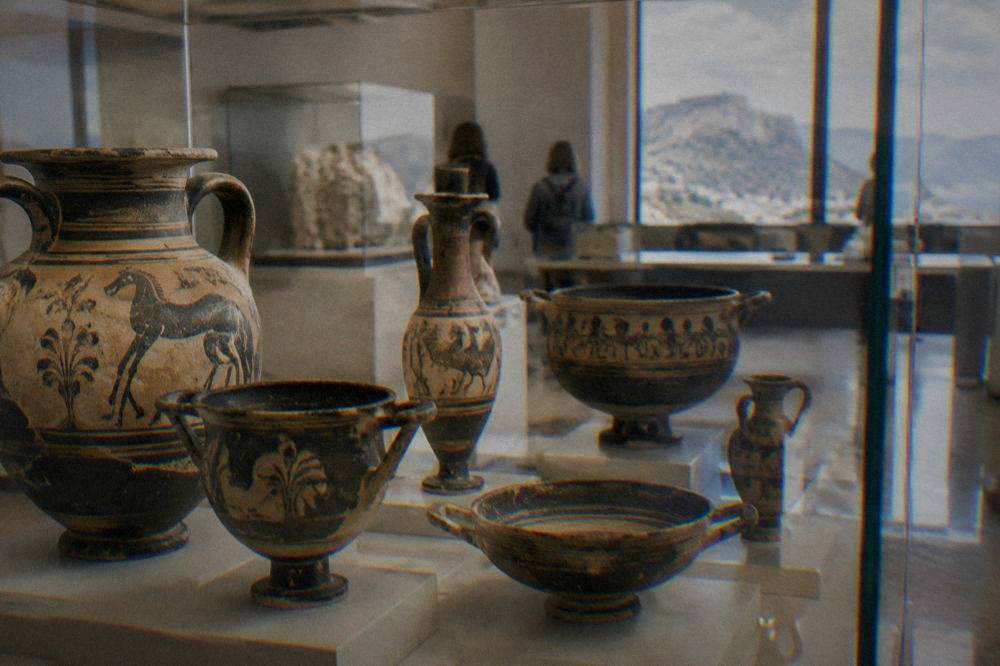
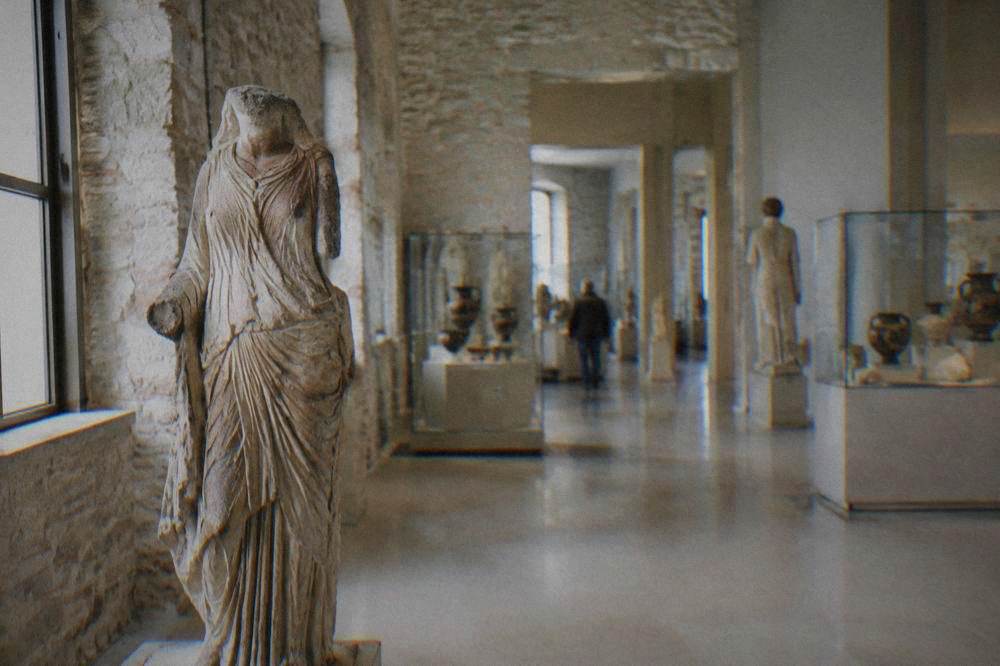
The collection is the material record of the Argolid: Mycenaean pottery and figurines from the chamber tombs around Mycenae and Tiryns, Bronze Age weapons and armour pieces from the Dendra area, prehistoric finds from Lerna and Asini, and smaller Classical and Hellenistic groups from Nafplio and Argos. The museum is the indoor half of the Argolid's archaeology, and its strongest rooms are the Mycenaean ones.
The region it serves is exceptional. Mycenae and Tiryns together form the UNESCO World Heritage inscription "Archaeological Sites of Mycenae and Tiryns" (inscribed 1999), and the Sanctuary of Asklepios at Epidaurus was inscribed in 1988. The museum in Nafplio holds material from the first of those inscriptions and from the unlisted but heavily excavated sites around it: Asini on the coast towards Tolo, Lerna south of Argos, Dendra near Mycenae, and the cemeteries of the Argos plain.
For visitors coming from the sites themselves, the logic of the collection is that it carries what the outdoor monuments cannot: the contents of the tombs, the small bronzes, the clay figurines, the painted pottery that survives handling only indoors. Standing in the tholos at the Treasury of Atreus and then seeing the grave goods of that same culture in Nafplio is the pairing the museum exists to make possible, and the drive between them is short, about 32 minutes from Syntagma Square to Mycenae by road.
Is The Museum Worth Visiting Before Mycenae And Epidaurus?
Yes, and the order matters more than the ticket: seeing the museum first gives the Bronze Age finds a context that the bare stones at Mycenae and Tiryns do not supply on their own, and the whole circuit is compact, with Mycenae about 32 minutes and the Epidaurus theatre about 41 minutes by road from Syntagma Square. The museum's fixed 08:30 to 15:30 hours make it a natural first stop of the day before driving out.
The counter-argument deserves a hearing too. The museum is small and the Mycenae ticket, at 20 euro full, already includes the site museum at Mycenae itself, which sits beside the citadel and shows finds from that excavation specifically. A visitor doing Mycenae alone may find that on-site museum sufficient. But the Nafplio museum draws from across the Argolid, including material from sites you will not otherwise visit, and for anyone pairing Mycenae with Epidaurus in one day, the earlier editorial judgement on Mycenae and Epidaurus together comes down to drive times and opening hours, both of which are workable.
The practical shape of the day: museum at 08:30 when it opens, on the road by ten, Mycenae for the late morning, Epidaurus theatre in the afternoon while the summer schedule still runs to 20:00. In winter the state sites close at 15:30 and Epidaurus at 17:00, so the order flips, sites first and the museum saved for a separate morning.
A shared transfer handles the driving on that route, and it can be booked from the Old Town. Check availability for your dates. The internal page for it is the shared transfer to Mycenae and Epidaurus, and the wider field of options is compared in the Mycenae and Epidaurus tours guide.
How Long Does A Visit To The Archaeological Museum Of Nafplio Take?
A visit to the Archaeological Museum of Nafplio fits comfortably inside the morning window the hours impose, since the building opens at 08:30 and closes at 15:30 with no evening hours at any time of year; give it the start of the day, not a late-afternoon slot. Visitors pairing it with the Old Town's other sights can treat it as the anchor of a single square.
The building's position is what makes it easy: it faces onto Syntagma Square, the centre of the Old Town, where several of the town's other sights stand within a short walk of one another. The Vouleftiko, the first parliament building, is on the same square, the Church of Agios Spyridon stands a street away, and the Kolokotronis statue is close by. A morning can absorb the museum plus the square's buildings without covering any real distance.
From the square, the rest of the Old Town unfolds on foot. The walking routes, the arcades and the lanes down towards the water are covered in the Nafplio walking tour page, and the fuller sight list is in things to do in Nafplio.
| Sight | Walk from the museum | Ticket 2026 |
|---|---|---|
| Syntagma Square | On the square | Free |
| Vouleftiko | On the square | Exterior viewing |
| Church of Agios Spyridon | About 2 minutes | Free |
| Kolokotronis statue | About 3 minutes | Free |
| Archaeological Museum | Here | 10 euro full, 5 euro reduced |
| Land Gate | About 8 minutes | Free |
Mycenaean Armour And Pottery: What The Argolid Finds Show
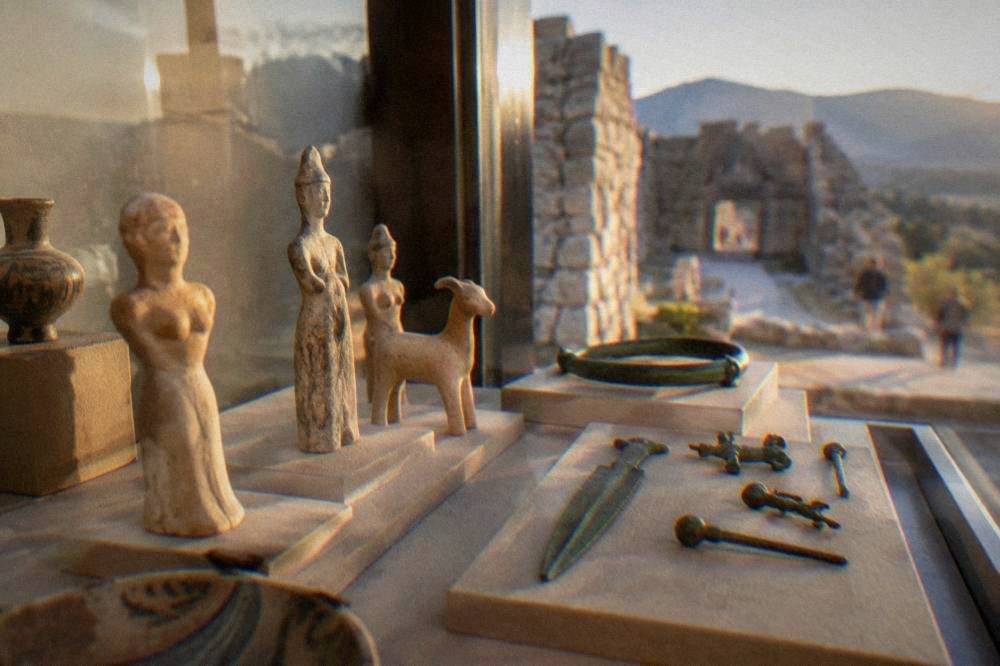
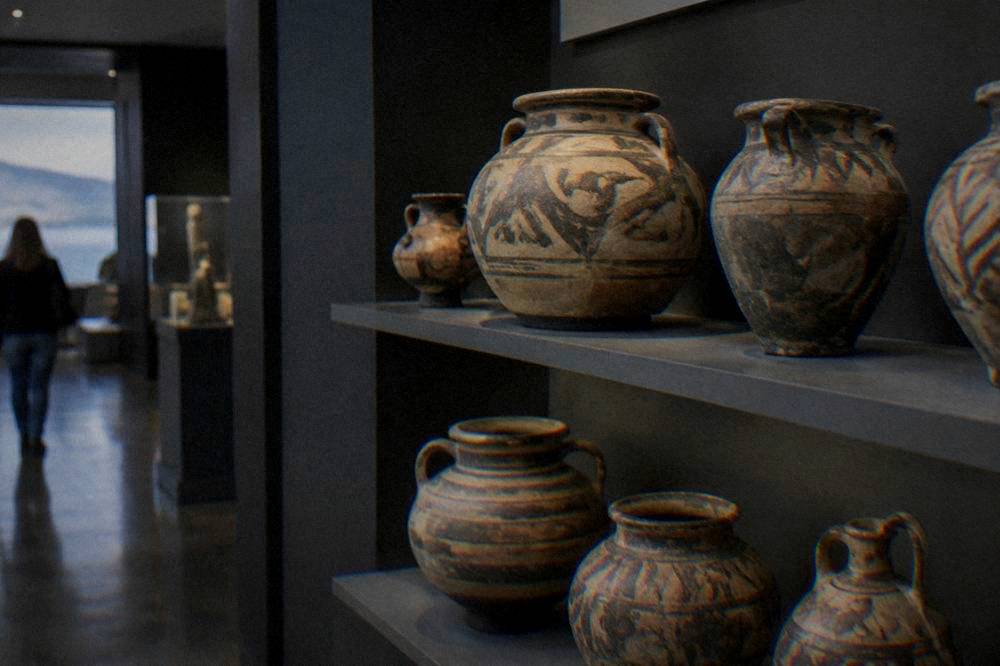
The Mycenaean material is the heart of the collection: painted pottery from the chamber tombs of the Argolid, clay figurines of the type buried with the dead, bronze weapons and tools, and elements of the Dendra armour assemblage, the famous full bronze panoply from a tholos tomb near Mycenae that is the single most discussed object of its kind in Greek Bronze Age archaeology.
The Dendra armour matters because it settled a long argument. A full bronze cuirass, helmet and greaves from a Late Bronze Age warrior's grave near Mycenae, it demonstrates that Mycenaean elite fighters wore rigid metal body armour, not just the lighter gear shown in earlier art. The panoply is studied wherever Aegean archaeology is taught, and the Argolid is where it came out of the ground.
The pottery runs alongside it as the everyday record: storage jars, drinking vessels and painted wares that let archaeologists date the tombs and trace trade contacts across the eastern Mediterranean. For a reader who has never stood in a tholos tomb, the sequence in the cases does the explanatory work that a bare citadel cannot. Then the ground itself completes the picture at Mycenae and Tiryns, the two UNESCO-listed citadels whose excavations fed much of this material.
For travellers who want the Bronze Age story with the driving handled, a Mycenae ticket with optional audio guide can be reserved ahead: Check availability. The full site description is on the Mycenae site ticket page.
How Does The Museum Compare With Nafplio's Other Museums?
The Archaeological Museum is the ancient-history collection in the Venetian arsenal on Syntagma Square, while the Peloponnesian Folklore Foundation Museum covers vernacular dress and household life, the War Museum covers the Greek military past, and the Komboloi Museum covers the worry-bead tradition; the four between them fill the indoor side of a Nafplio stay, and only the Archaeological Museum's 10 euro ticket and Tuesday closure are fixed in the published 2026 figures.
Choosing between them is a matter of interest rather than ranking. Ancient Argolid: the Archaeological Museum. Traditional costume and the domestic culture of the Peloponnese: the Peloponnesian Folklore Foundation Museum. The wars of the modern state: the War Museum. A small, single-subject collection: the Komboloi Museum. For their hours and admission, confirm locally before setting out, since the state visiting page covers only the Archaeological Museum among them.
Two indoor days is the realistic maximum a wet-weather plan needs, and the museum fits a one-day itinerary as either the first or the last stop depending on the season, as the one day in Nafplio plan lays out. Families get a workable rainy option too, since the museum is compact enough to hold younger attention spans for a morning before the nafplio-with-kids alternatives come back into play outdoors.
When Is The Best Time Of Day And Year To Visit The Museum?
Morning, any month, is the reliable answer: the museum opens at 08:30 and closes at 15:30 all year, so the early hours are the safe ones, and in the July and August heat the cool stone arsenal is a sensible midday refuge that the open-air sites cannot offer; the HNMS Argos station, 1980 to 2010, records a mean daily high of 34.0 C in July, and the fortress stairway offers no shade.
The climate record puts numbers on the seasonal choice. The same station table shows mean daily highs of 31.4 C in June and 33.7 C in August, against 14.6 C in January and 14.7 C in February, with November the rainier month at 82.5 mm against June's 8.9 mm. Rainy-season days are exactly when the museum earns its place, and the best time to visit Nafplio guide works through the same table month by month.
| Month | Mean high C | Mean low C | Rain mm |
|---|---|---|---|
| January | 14.6 | 3.0 | 66.5 |
| April | 21.3 | 6.7 | 33.7 |
| July | 34.0 | 16.7 | 9.1 |
| October | 24.7 | 11.5 | 44.3 |
| November | 19.2 | 7.7 | 82.5 |
The figures are HNMS Argos station, 1980 to 2010, an inland record from about 10 km north-west of the town, so the waterfront can feel slightly different. The pattern is clear enough regardless: the museum is the summer midday stop and the winter all-day stop.
What Else Should You See Around The Museum In Nafplio?
Everything in the Old Town is walkable from the museum door: Syntagma Square's buildings, the Church of Agios Spyridon, the Land Gate, the climb to Palamidi with its about 850 steps (not the legendary 999), the boat to Bourtzi, and the Arvanitia promenade below Akronafplia; Mycenae, Tiryns, Epidaurus, Argos, Tolo, Nemea and Ancient Corinth all sit within day-trip range by car or tour.
The drive times from Syntagma Square, computed over road routing in free-flow conditions, set the outer ring of the day trips:
| Day trip | Drive from Syntagma Square |
|---|---|
| Tiryns | About 9 minutes |
| Argos | About 18 minutes |
| Tolo | About 17 minutes |
| Mycenae | About 32 minutes |
| Epidaurus theatre | About 41 minutes |
| Ancient Nemea | About 46 minutes |
| Ancient Corinth | About 61 minutes |
| Corinth Canal | About 72 minutes |
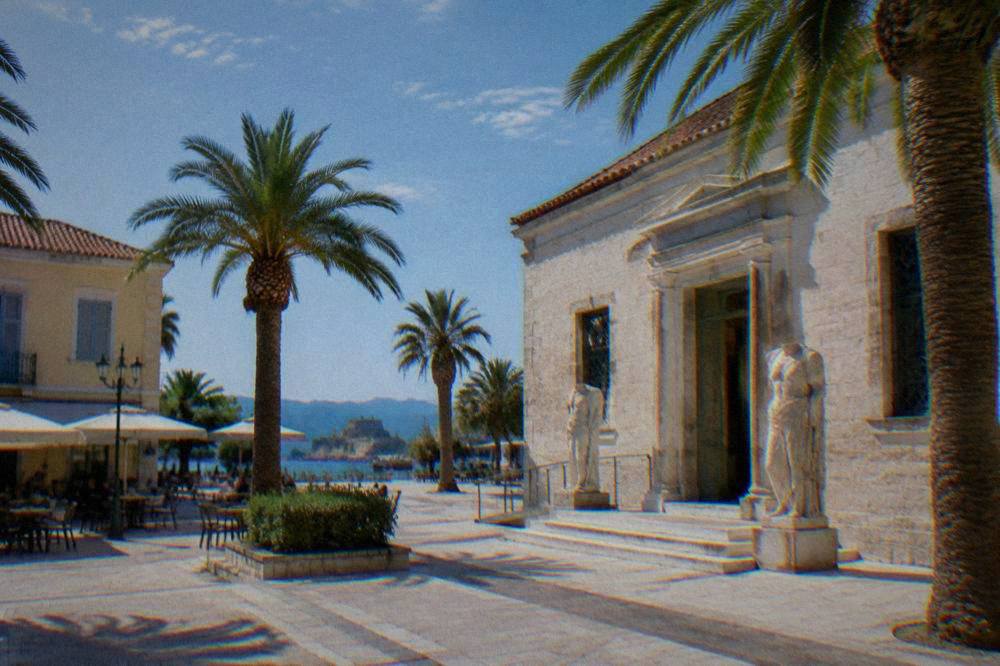
Inside the town, the museum sits at the centre of a walkable cluster, as the Old Town guide details, and a longer stay can add the beaches at Arvanitia and Karathona. The Nafplio Travel Guide covers the full range of things to do in Nafplio, from the Akronafplia plateau to the evening waterfront, and the two days in Nafplio itinerary places the museum on day one with the Argolid sites on day two.
For the Argolid circuit with the storytelling attached, a guided journey through the legends of Mycenae, Epidaurus and Nafplio runs from the region's base: Check availability for the season you travel.

Common Questions About The Archaeological Museum Of Nafplio
How much does the Archaeological Museum of Nafplio cost?
The Ministry of Culture's visiting page lists 10 euro full and 5 euro reduced for 2026. The reduced ticket is sold only from 1 October to 31 May, and the free-admission days (6 March, 18 April, 18 May, the last weekend of September, the first and third Sundays of November to March, and 28 October) apply.
What are the Archaeological Museum of Nafplio hours?
The museum opens 08:30 to 15:30 all year, with no extended summer hours, and it is closed every Tuesday plus 1 January, 25 March, 1 May, Easter Sunday and 25 to 26 December.
Is the Archaeological Museum of Nafplio open on Tuesday?
No. Tuesday is a weekly closure day for this museum all year, unlike the open-air sites such as Palamidi, which keep their normal schedules on Tuesdays outside the listed holiday closures.
Where is the Archaeological Museum of Nafplio located?
It occupies the Venetian arsenal on Syntagma Square, in the centre of the Old Town of Nafplio, on the Argolic Gulf in the Argolid, Peloponnese. The first parliament building and the Church of Agios Spyridon are within a few minutes' walk.
Is the Archaeological Museum of Nafplio worth it before visiting Mycenae?
It is a sound order of visiting. The museum holds the tombs' contents, the pottery, the figurines and the Dendra armour material from across the Argolid, which the citadel at Mycenae does not show; Mycenae is about 32 minutes by road from Syntagma Square, so the pairing is easy in one morning.
Can you visit the museum and Palamidi on the same day?
Yes. Both open at 08:30 in winter, and in summer Palamidi runs to 20:00 from 2 May while the museum still closes at 15:30, so the workable summer shape is the museum first thing and the fortress in the cooler late afternoon, with about 850 steps (not the legendary 999) on the stairway route.