Nafplio Weather Month By Month
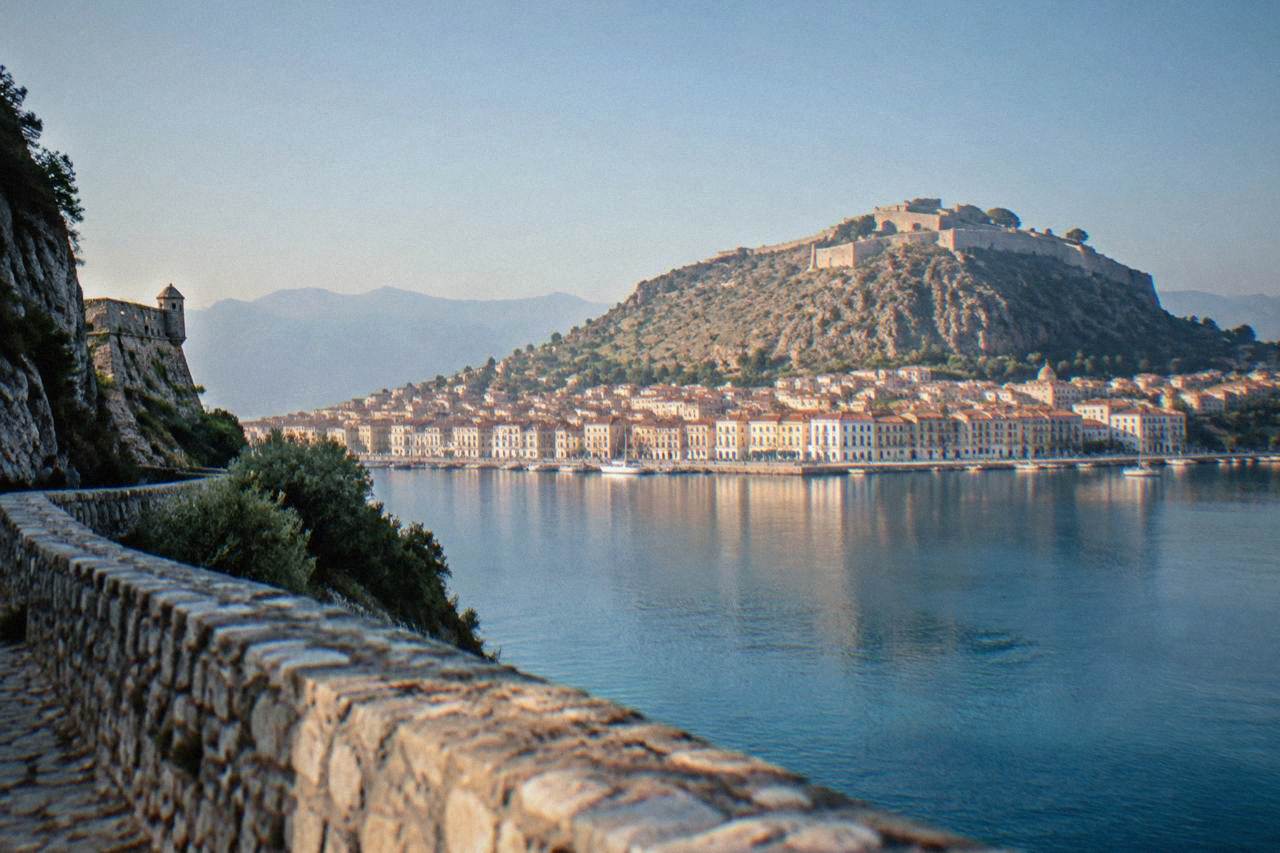
Nafplio sits on the Argolic Gulf in the Argolid, on the Peloponnese in southern Greece, and its weather follows a classic Mediterranean pattern: hot, dry summers and mild, wetter winters. This guide sets out the temperature and rainfall figures month by month, all from the HNMS Argos station record, and explains what each season means for the fortress climb, the beaches and the day trips to Mycenae and Epidaurus.
Short answer
Nafplio has a Mediterranean climate with mean daily highs of 34.0 C in July and 14.6 C in January, measured at the HNMS Argos station, 1980 to 2010. Rainfall runs from 8.9 mm in June to 82.5 mm in November, so late spring and early autumn combine warm weather with little rain.
Nafplio, a coastal town of about 14,500 residents on the Argolic Gulf in the Argolid, enjoys one of the more forgiving climates in Greece, with mild winters, long warm summers and a rainfall pattern that peaks in late autumn. Every figure on this page comes from a single official record: the HNMS Argos station, 1980 to 2010, the nearest official weather station, about 10 km north-west of Syntagma Square and inland, so the waterfront can differ slightly from what the station recorded. For planning purposes, that record is the most reliable public baseline available, and it maps neatly onto the rhythm of the town: fortress climbs and beach days from May to September, museum days and coastal walks from November to March.
The station record matters because Nafplio's weather is often described loosely in travel copy, with claims about sunshine hours, sea temperatures and "the best month" that no official source publishes. This page sticks to what the Hellenic National Meteorological Service actually measured over thirty years: mean daily maximum and minimum temperatures, monthly rainfall totals and rain days. Around those numbers it builds practical advice, from which month suits the Palamidi stairway to how the seasons change the things to do in Nafplio.
What Is The Weather Like In Nafplio Through The Year?
Nafplio has a typical Mediterranean climate with a hot, dry summer and a mild, wetter winter, and the numbers are clear: mean daily highs range from 34.0 C in July down to 14.6 C in January, while monthly rainfall ranges from 8.9 mm in June up to 82.5 mm in November, all per the HNMS Argos station, 1980 to 2010. The annual rainfall total is 471.4 mm, modest by northern European standards, and nearly half of it falls in November, December and January alone.
The shape of the year is a long, gentle slope rather than a sharp switch between seasons. Spring arrives early: by April the mean daily high is already 21.3 C and rainfall has halved from its winter levels. Summer proper runs from June through August, when mean daily highs sit at 31.4 C, 34.0 C and 33.7 C and the rain-day count falls to 3.0, 2.1 and 2.5 days per month. Autumn cools gradually rather than abruptly, with September still at a mean high of 29.7 C, and it is October and especially November that bring the rain back. Winter is mild but not tropical: mean nightly lows of 3.0 C in January and 2.9 C in February mean cold nights are part of the record, even when afternoons reach the mid-teens.
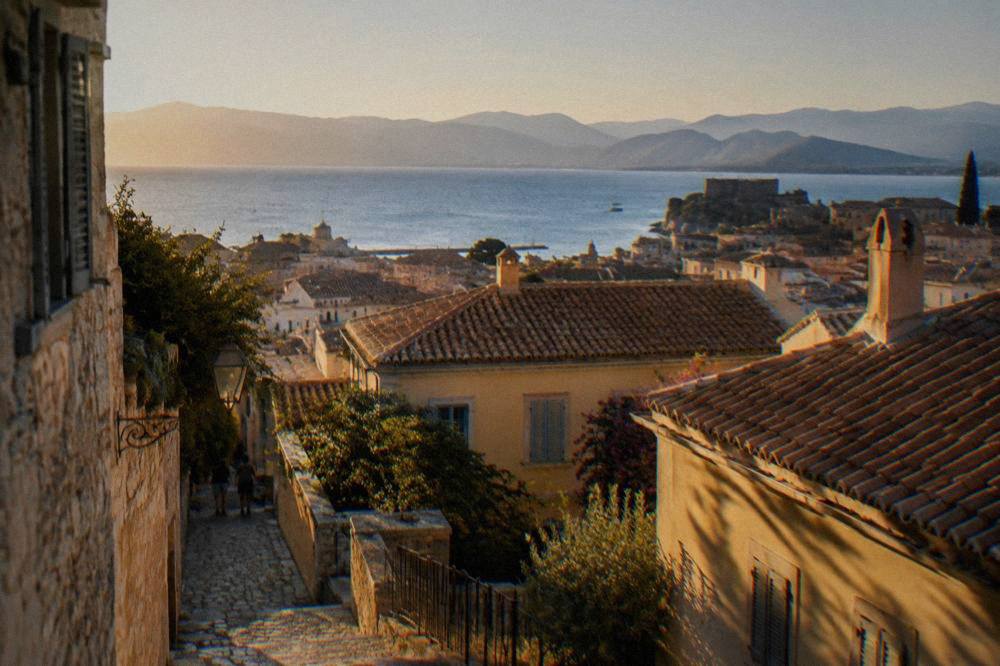
One caveat belongs here. The HNMS Argos station, 1980 to 2010, sits about 10 km north-west of the town and inland, so it slightly understates the maritime moderation right on the Argolic Gulf waterfront. On the harbour promenade in midsummer, the afternoon sea breeze can take the edge off a 34°C day, and in winter the water keeps the coast a degree or two milder than the Argos plain. The table below carries the full record.
| Month | Mean High (C) | Mean Low (C) | Rainfall (mm) | Rain Days |
|---|---|---|---|---|
| January | 14.6 | 3.0 | 66.5 | 10.3 |
| February | 14.7 | 2.9 | 52.5 | 10.1 |
| March | 17.4 | 4.3 | 52.2 | 9.7 |
| April | 21.3 | 6.7 | 33.7 | 8.6 |
| May | 26.5 | 10.5 | 18.7 | 6.2 |
| June | 31.4 | 14.0 | 8.9 | 3.0 |
| July | 34.0 | 16.7 | 9.1 | 2.1 |
| August | 33.7 | 16.8 | 13.0 | 2.5 |
| September | 29.7 | 14.2 | 20.3 | 5.0 |
| October | 24.7 | 11.5 | 44.3 | 6.9 |
| November | 19.2 | 7.7 | 82.5 | 9.4 |
| December | 15.5 | 4.8 | 69.7 | 12.2 |
When Is The Best Time To Visit Nafplio For Good Weather?
Late May, early June, September and early October give the best balance of the year: mean daily highs between 24.7 C and 31.4 C, monthly rainfall between 8.9 mm and 44.3 mm, and rain days between 3.0 and 6.9 per month, per the HNMS Argos station, 1980 to 2010. May and September in particular pair warm afternoons with cool evenings, at mean lows of 10.5 C and 14.2 C, without the peak-July heat.
The reasoning is practical rather than statistical. In July and August the mean daily highs reach 34.0 C and 33.7 C, which turns the climb to Palamidi Fortress, about 850 carved steps (not the legendary 999), into an early-morning errand rather than a midday one. In May and September the same climb is comfortable at almost any hour, and the sea swimming season still functions. October shifts the balance: mean highs of 24.7 C remain pleasant for walking and sightseeing, and rainfall at 44.3 mm across 6.9 rain days means dry days still outnumber wet ones comfortably. The fuller seasonal picture is laid out in the best time to visit Nafplio guide.
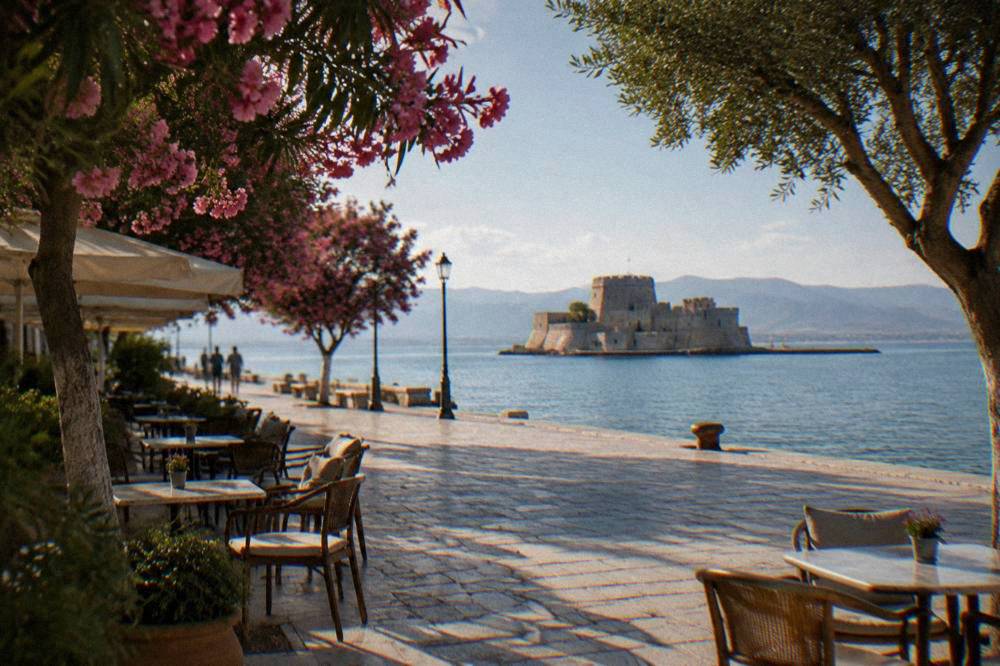
Shoulder-season visits also change what a day looks like. State archaeological sites, including Palamidi and Mycenae, run reduced hours from October onwards: from 1 to 15 October they open 08:00 to 18:30, from 16 to 31 October 08:00 to 18:00, and from November through winter 08:30 to 15:30. That winter closing time of 15:30 rewards morning planning, whereas from 2 May through the summer the same sites stay open until 20:00, allowing an evening visit after the heat breaks. The Mycenae ticket, 20 euro full and 10 euro reduced, covers the site, museum and Treasury of Atreus, and if you would rather not manage the drive, the entry-and-audio option can be arranged ahead: Check availability.
Weather-wise the shoulder months also suit active tours. A cycling, sightseeing and tasting combination around Nafplio is at its best between the spring rains and the July heat, and the same logic applies to hikes and kayak trips; the listing says Check availability.
How Hot Does Nafplio Get In Summer?
Summer in Nafplio is hot and almost rainless: mean daily highs of 31.4 C in June, 34.0 C in July and 33.7 C in August, with monthly rainfall of just 8.9, 9.1 and 13.0 mm and only 2.1 to 3.0 rain days per month, per the HNMS Argos station, 1980 to 2010. Nights stay warm, with mean lows of 16.7 C in July and 16.8 C in August.
Those mean highs describe the average afternoon across thirty years, and individual July and August days can run higher, particularly because the station is inland and the Argos plain heats through the afternoon. The practical response is to structure the day around the heat rather than against it. State sites are open from 08:00 through the summer, and the first two hours of daylight are the comfortable window for the Palamidi stairway or the walk up to Akronafplia. Midday belongs to shade, swimming and long lunches, and the evenings, with sites open until 20:00, recover for wandering the Old Town lanes.
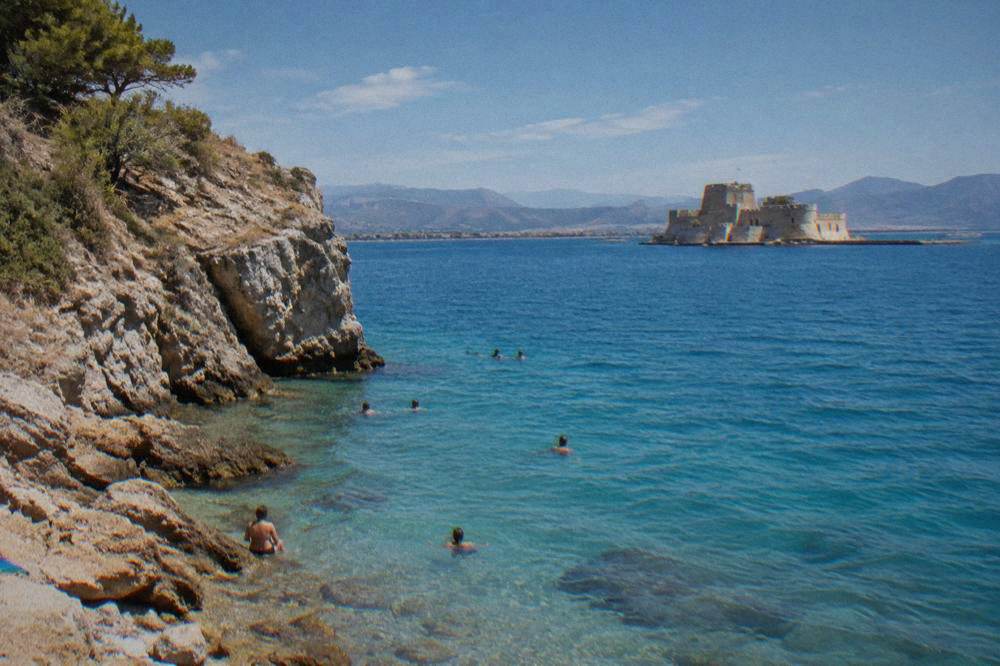
The sea is the town's summer temperature valve. Arvanitia, the pebble beach below the Akronafplia cliffs, is organised in summer with sunbeds and showers, and Karathona, the long sandy beach a few kilometres south, is the swimming option families gravitate to; the Nafplio beaches guide covers both. Summer is also the season for being on the water rather than beside it, from kayak trips past the medieval castles to catamaran and sailing cruises out of the harbour, all of which turn a July afternoon at 34.0 C into the pleasant part of the day.
Indoor and shaded options fill the warmest hours too. A Greek cooking class runs in the middle of the day and doubles as lunch, which makes it a natural fit for a July itinerary: Check availability. The Archaeological Museum of Nafplio, 10 euro full and 5 euro reduced, open 08:30 to 15:30 and closed Tuesdays, is another heat-of-the-day refuge.
Does It Rain A Lot In Nafplio In Winter?
Winter rain in Nafplio is real but not overwhelming: December brings 69.7 mm across 12.2 rain days, January 66.5 mm across 10.3 days and February 52.5 mm across 10.1 days, while mean daily highs stay at 14.6 to 15.5 C, per the HNMS Argos station, 1980 to 2010. Rain falls on roughly a third of winter days, not all of them, and November, at 82.5 mm, is the month with the highest rainfall total in the record.
Winter in Nafplio is best understood as a season of contrasts: mild, bright afternoons in the mid-teens, cold nights that drop to mean lows of 3.0 C in January and 2.9 C in February, and periodic rain systems that move through from the west. Between the systems the weather is often clear and the light excellent, which is why the town photographs so well in the low season. Rain gear is worth packing, but so are sunglasses. The full winter picture, including what to do on a wet afternoon, is in the town's low-season coverage, and getting there in winter is straightforward year-round by road or coach as described in the Athens to Nafplio guide.
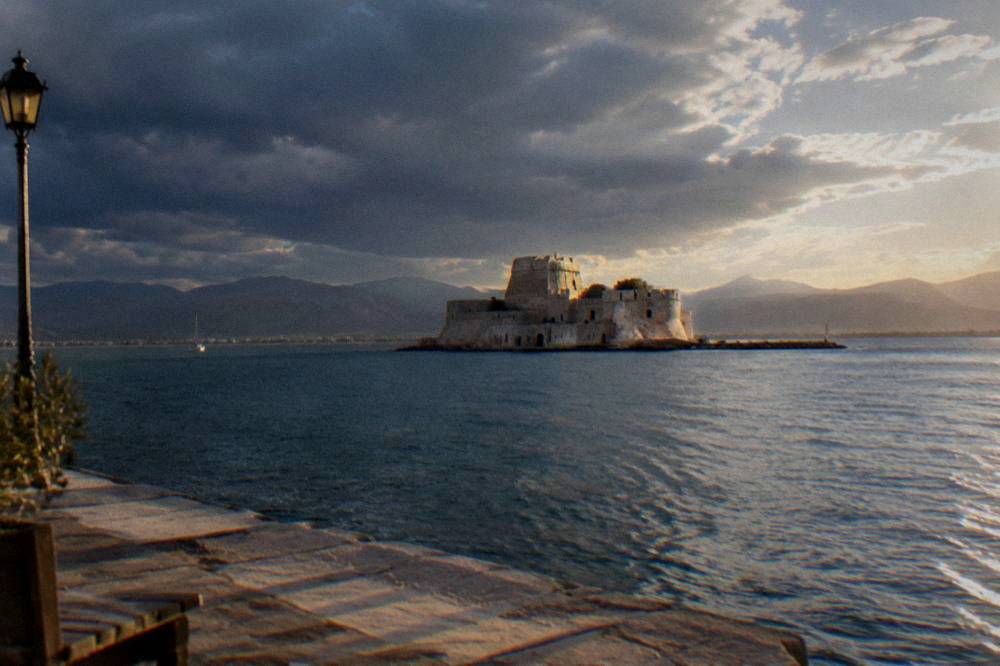
Winter also changes the sightseeing arithmetic in your favour. The state free-admission days cluster in this season: every first and third Sunday from November through March, plus 6 March and 28 October, state sites including Palamidi, Bourtzi and Mycenae cost nothing to enter. Off-season light also suits photography, a point expanded in the Nafplio photography guide, and the winter sea along the Arvanitia Promenade, about 1 km of paved coastal path, is at its most dramatic.
What Is Nafplio Weather Month By Month?
Month by month, Nafplio moves from January's mean high of 14.6 C and 66.5 mm of rain, through April's 21.3 C and 33.7 mm, into the dry 34.0 C of July, then back down through October's 24.7 C to November's 82.5 mm of rain and December's 15.5 C afternoons, per the HNMS Argos station, 1980 to 2010. Each month has a distinct character, summarised below.
Spring is the season of change. March still carries winter's rain tally, 52.2 mm, but the mean high climbs to 17.4 C and the afternoons begin to feel like walking weather. April, at 21.3 C with rain falling on 8.6 days, is the first genuinely pleasant month for everything from the Old Town lanes to the day trips. May, at 26.5 C and only 18.7 mm of rain, is when the swimming season starts and the sites run their full summer hours from 08:00 to 20:00.
Summer, June through August, is dry and hot, and needs no further summary than the table above. September is the month summer releases its grip slowly: the mean high eases to 29.7 C and rainfall stays low at 20.3 mm. October at 24.7 C is arguably the most underrated month in the record, warm enough for the beach on many afternoons and cool enough for any walk. November is the pivot: the mean high of 19.2 C is still pleasant, but 82.5 mm of rain across 9.4 rain days makes waterproofs a genuine necessity. December settles into the winter pattern, 15.5 C afternoons, 4.8 C nights and 69.7 mm of rain.
| Month | Character | Mean High (C) | Best For |
|---|---|---|---|
| January | Mild days, cold nights, regular rain | 14.6 | Museums, low-season rates |
| February | Similar to January, drier of the three winter months in rain days | 14.7 | Photography, quiet lanes |
| March | Warming, still showery | 17.4 | Hiking, first beach walks |
| April | Warm afternoons, spring flowers | 21.3 | Day trips, fortress climbs |
| May | Warm and nearly dry | 26.5 | Swimming, long site hours |
| June | Hot, very dry | 31.4 | Beaches, kayaking |
| July | Peak heat, minimal rain | 34.0 | Early starts, sea time |
| August | Hot, slightly more rain | 33.7 | Boat trips, evening sites |
| September | Warm, dry, calmer | 29.7 | Everything, comfortably |
| October | Warm days, rain returning | 24.7 | Walking, wine country |
| November | Mild but the rainiest month | 19.2 | Indoor days, cooking classes |
| December | Mild, wet, festive | 15.5 | Museums, harbour walks |
Does It Ever Snow In Nafplio?
Snow is rare in Nafplio and no snow-day figure exists in the official record; what the HNMS Argos station, 1980 to 2010, does show is that winter nights are genuinely cold, with mean daily lows of 3.0 C in January and 2.9 C in February, while afternoons reach 14.6 C and 14.7 C. Frost on winter mornings is the realistic cold-weather expectation in the town, not snow.
The gap between those night and day figures is the detail worth planning around. A February morning can begin near freezing and end in the mid-teens, so winter visitors need layers that shed across the day rather than a single heavy coat. The inland position of the station matters here too: the Argos plain a few kilometres north-west cools faster at night than the harbour front, so the waterfront itself tends to sit a degree or so above the recorded minimum. Rain, at 52.5 mm in February over 10.1 rain days, remains more likely than any frozen precipitation.
How Does Nafplio Weather Affect The Sights And Day Trips?
Weather shapes Nafplio's sights mainly through heat and rain timing: state sites including Palamidi, Mycenae and Epidaurus open 08:00 to 20:00 from 2 May but cut back from October, ending at 08:30 to 15:30 through winter, while the HNMS Argos station, 1980 to 2010, puts July afternoons at 34.0 C and November rainfall at 82.5 mm. In practical terms, summer demands early starts, winter demands morning starts, and November rewards a museum list.
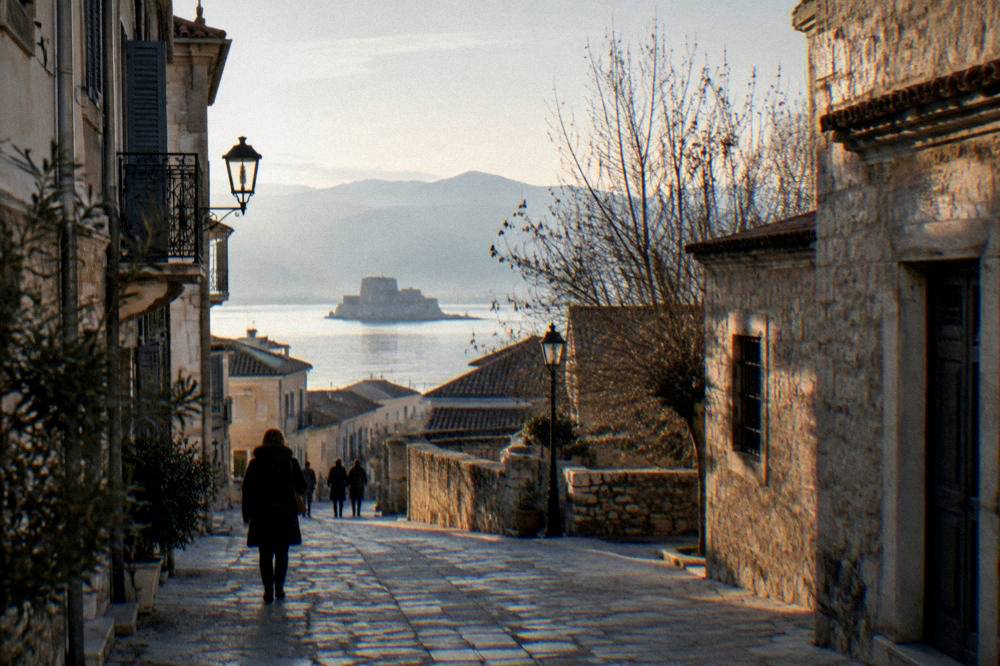
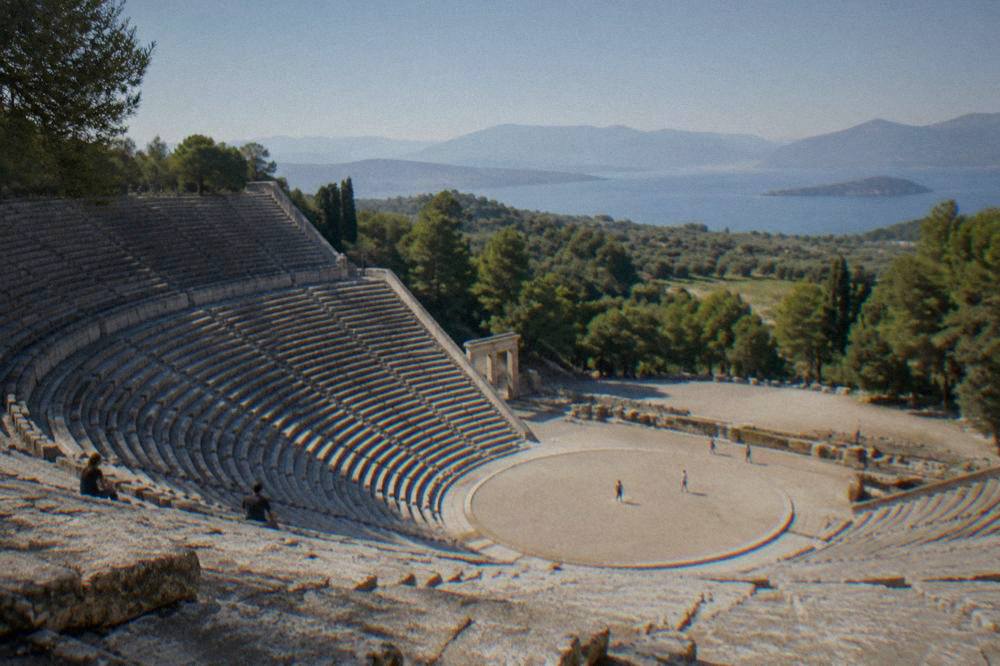
The fortress climbs deserve the weather note more than any other sight. Palamidi stands 216 m above the Old Town and its stairway has about 850 steps, so the July mean high of 34.0 C makes an 08:00 start the sensible plan; the site opens at that hour through summer. Akronafplia and the Arvanitia Promenade are lower and shadier options for the warmest hours. Rain matters most in November and December, when the cobblestones of the Old Town and the stepped lanes of Psaromachalas become slick, and when the exposed theatre of Epidaurus, about 41 minutes' drive away, offers no shelter.
| Sight | Best Weather Window | Winter Note |
|---|---|---|
| Palamidi Fortress | 08:00 to 10:00 in July and August | Open to 15:30 only, from November |
| Bourtzi | Morning boat, any season | 09:00 to 17:00 from November, weather-dependent boat |
| Akronafplia and Arvanitia Promenade | Late afternoon in summer | Fine in dry winter weather |
| Mycenae (about 32 minutes by road) | Morning, spring through autumn | 08:30 to 15:30, reduced ticket in season |
| Epidaurus theatre (about 41 minutes) | Morning, spring through autumn | 08:00 to 17:00 winter hours |
| Archaeological Museum of Nafplio | Midday refuge in summer | 08:30 to 15:30, closed Tuesdays |
Day trips follow the same logic. Mycenae and Epidaurus are unshaded archaeological parks where the summer heat is felt fully, so they pair best with the 08:00 opening, and the reduced 10 euro ticket applies only from 1 October to 31 May, a small bonus for shoulder-season visitors. The Nemea wine country, about 49 minutes away by road, is largely an indoor-and-cellar experience, which makes it one of the better rainy-day trips from the town, as covered in the wider Peloponnese from Nafplio guide. One correction worth a single sentence: older guides sometimes mention a ferry to Hydra or Spetses from Nafplio, which is out of date, as no scheduled ferry runs and the islands are reached by seasonal day cruise or from another port; the details are in the Nafplio ferries guide. Festival timing is weather-adjacent too, since the summer performance season at the ancient theatre of Epidaurus is an annual event, and the Nafplio festivals and events guide tracks what runs when.
What Should You Pack For Nafplio Weather?
Pack around the temperature range in the record: for July and August, with mean highs of 34.0 C and 33.7 C, bring sun protection, light clothing and a layer for air-conditioned interiors, while for November through February, with mean lows of 2.9 C to 4.8 C and 66.5 to 82.5 mm of monthly rain, bring warm layers, a waterproof and shoes with grip, per the HNMS Argos station, 1980 to 2010. The shoulder months need both wardrobes in miniature.
The most useful packing principle for Nafplio is the diurnal swing. In every month of the year the gap between the mean daily high and the mean daily low is between 11 and 17 degrees, so evenings are consistently much cooler than afternoons. A July evening at the harbour after a 34°C day still wants a light layer once the breeze arrives, and an April afternoon at 21.3 C can follow a morning that began at 6.7 C. Footwear matters for the same reason the sights do: the Old Town is paved in polished stone, Palamidi is 850 steps, and wet-season cobbles punish smooth soles.
A seasonal checklist built from the station record:
| Season | Mean High / Low (C) | Rain Per Month (mm) | What To Bring |
|---|---|---|---|
| Spring (Mar to May) | 17.4 to 26.5 / 4.3 to 10.5 | 18.7 to 52.2 | Layers, light rain shell, walking shoes |
| Summer (Jun to Aug) | 31.4 to 34.0 / 14.0 to 16.8 | 8.9 to 13.0 | Sun hat, high-factor sunscreen, swimwear, one warm-evening layer |
| Autumn (Sep to Nov) | 19.2 to 29.7 / 7.7 to 14.2 | 20.3 to 82.5 | Layers that shed, waterproof from October, grip-soled shoes |
| Winter (Dec to Feb) | 14.6 to 15.5 / 2.9 to 4.8 | 52.5 to 69.7 | Warm jacket, waterproof, scarf for harbour evenings |
Swimming gear earns its place from May, when the mean high reaches 26.5 C, through October, when it is still 24.7 C, though no official sea-temperature figure is published for the town and swimmers should judge the water on arrival. Whatever the season, the evening culture of the Old Town, from harbour-side cafes to the tavernas described in the where to eat in Nafplio guide, runs year-round and is where the extra layer gets used.
For visitors who want the weather to organize the whole stay, an active small-group option pairs a bike loop with sightseeing and tastings, a format that suits the dry months from April through October; the listing notes Check availability.
Common Questions About Nafplio Weather
What is the warmest month in Nafplio?
July, with a mean daily high of 34.0 C and a mean nightly low of 16.7 C, followed closely by August at 33.7 C, per the HNMS Argos station, 1980 to 2010. August adds slightly more rain, 13.0 mm against July's 9.1 mm, though both months are effectively dry.
What is the rainiest month in Nafplio?
November, with 82.5 mm of rain across 9.4 rain days, is the month with the highest rainfall total in the HNMS Argos station record, 1980 to 2010. December follows at 69.7 mm but with more rain days, 12.2.
Is Nafplio warm in winter?
Winter afternoons are mild, with mean daily highs of 14.6 C in January and 15.5 C in December, but nights are cold, with mean lows of 3.0 C and 4.8 C in those months, per the HNMS Argos station, 1980 to 2010. Layers and a waterproof are the practical answer.
Can you swim in Nafplio?
The swimming season generally runs from May, mean high 26.5 C, into October, mean high 24.7 C, with June through August the core months. No official monthly sea-temperature figure is published, so judge the water on arrival; Arvanitia and Karathona are the main beaches.
When do the archaeological sites change their hours?
State sites including Palamidi, Mycenae and Epidaurus open 08:00 to 20:00 from 2 May, then reduce progressively through September and October, and run 08:30 to 15:30 through winter. The Archaeological Museum of Nafplio keeps 08:30 to 15:30 all year and closes Tuesdays.
Is spring or autumn better for visiting Nafplio?
Both work well. May offers a 26.5 C mean high with 18.7 mm of rain and full summer site hours; September offers 29.7 C with 20.3 mm and thinner crowds; October is 24.7 C with 44.3 mm of rain, per the HNMS Argos station, 1980 to 2010. The choice comes down to heat tolerance and whether swimming or long evening site hours matter more.
Whatever month you choose, the pattern holds: check the station table above against your plans, start early in summer, start in daylight in winter, and let the Nafplio Travel Guide itineraries handle the rest.