Nafplio Or Athens: Where To Base A Greece Trip
Athens has the airports, the museums and the crowds; Nafplio has Palamidi, Bourtzi and the whole Argolid within an hour's drive. This comparison lays out the distances, prices and trade-offs so the choice of base rests on figures rather than folklore.
Short answer
Base in Athens if your trip is short and centred on Athens' own sights; base in Nafplio if the Argolid is the point, since Mycenae and Epidaurus are both within easy reach of Syntagma Square, and the town itself was the first capital of modern Greece from 1827 to 1834.
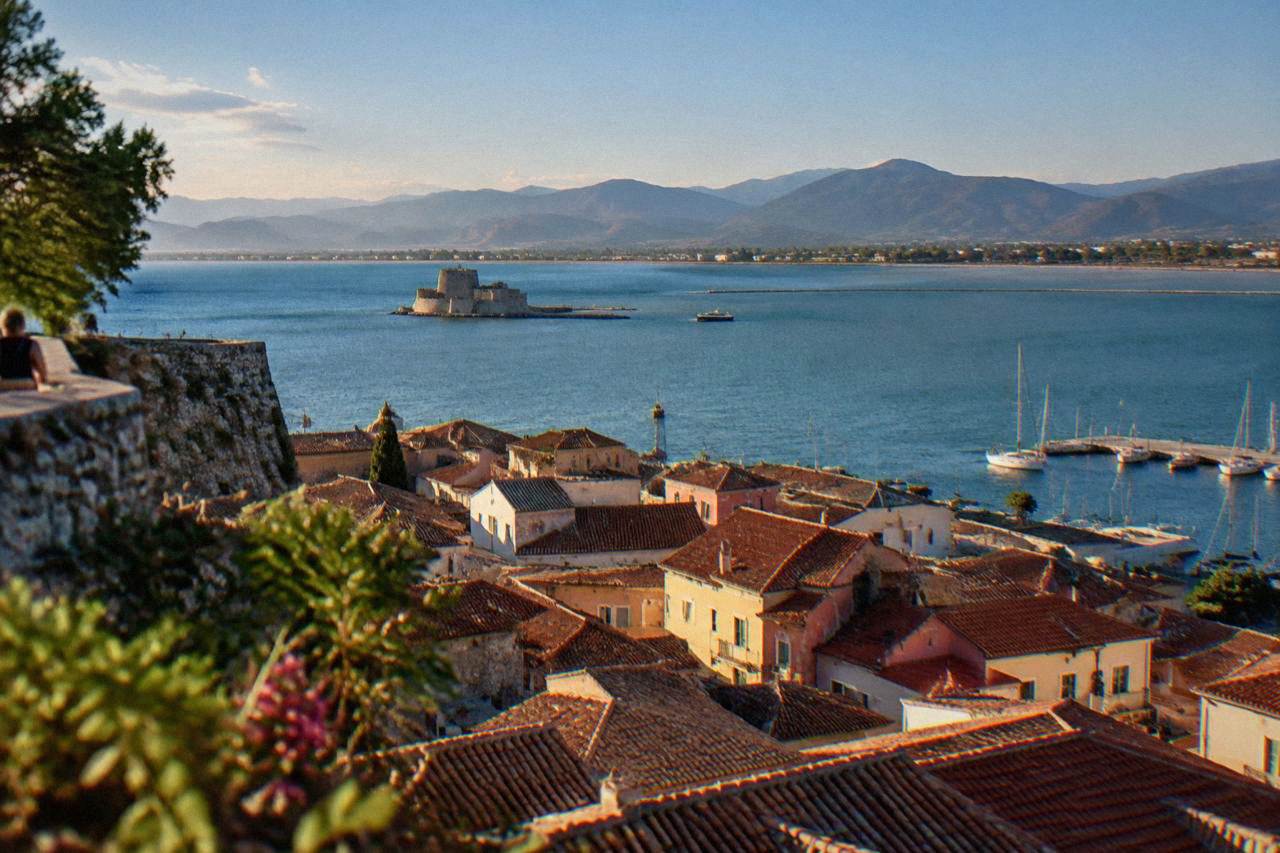
Athens is a metropolis of several million with the Acropolis at its centre; Nafplio is a coastal town of about 14,500 residents on the Argolic Gulf, in the Argolid region of the north-east Peloponnese. The two are about 141 km apart by road, close enough that the question "Nafplio or Athens?" is really a question about what a trip is for. The Ministry of Culture's own visiting pages price Palamidi at 20 euro full and 10 euro reduced in 2026, the municipality's history pages record Nafplio as the capital of Greece from 1827 to 1834, and the Argolid's UNESCO sites sit closer to Nafplio than to almost anywhere else. This page from the Nafplio Travel Guide compares the two bases on distances, costs, weather and day-trip reach, using only figures the primary sources publish.
Nafplio Or Athens: Which Base Suits Which Trip?
Athens suits a trip built around Athens' own archaeology, museums and flights, while Nafplio suits a trip built around the Argolid, because the region's headline sites are short drives from the town: Mycenae is a short drive away, Tiryns about 9 and Epidaurus theatre about 41. Nafplio itself carries serious history too, as the first capital of modern Greece from 1827 to 1834, with Palamidi Fortress standing 216 m above the Old Town.
The honest framing is that the two towns do different jobs rather than compete. A short first visit to Greece often lands well on Athens; a second or slower trip that wants Mycenae, Epidaurus and a swimming bay often lands better on Nafplio. Athens concentrates the national museums, the Acropolis and the country's main airport, while Nafplio concentrates the Argolid: three UNESCO-listed archaeological landscapes within an hour, a walkable Old Town between Akronafplia and the harbour, and beaches at Arvanitia and Karathona on the town's own shoreline.
The split matters most for trips of four days or fewer. Squeezing the Argolid out of an Athens base means long daily drives west and back; squeezing Athens out of a Nafplio base means the same drive east. Trips of a week or more can do both, with the route from Athens to Nafplio taking about two hours each way by car or coach.
There is a middle position worth naming early: day-trip the Argolid from Athens once, and only re-base in Nafplio if the region is the heart of the plan. The day trip plan from Athens shows how much of the Argolid fits into a single well-sequenced day.
How Far Is Nafplio From Athens, Really?
Nafplio lies about 141 km from Athens by road, a drive of about 127 minutes from Syntagma Square in Athens to Syntagma Square in Nafplio, and the KTEL Argolida coach is reported to take about 2 hours 10 minutes for a reported fare of about 15.70 euro one way. There is no train: no passenger rail serves Nafplio in 2026.
Athens airport is farther still, about 171 km and around 2 hours 19 minutes of driving, with no direct airport bus, only the X93 to the Kifissos terminal and a coach onward. Those figures define the daily arithmetic of the choice. A traveller based in Athens who wants Mycenae drives out and back across the same corridor each day; a traveller based in Nafplio is already inside the region and the drives shrink to minutes. The coach connection is the car-free option, with departures reported roughly every 1.5 to 2 hours, though schedules should be confirmed before travel. The train question has a flat answer: the Peloponnese metre-gauge line carries no passengers, so rail plays no part in this comparison.
| Route | Distance | Time | Source basis |
|---|---|---|---|
| Syntagma (Athens) to Syntagma Square (Nafplio) | 141 km | about 127 min | computed OSRM routing |
| Athens airport to Nafplio | 171 km | about 2 h 19 min | computed OSRM routing |
| Kifissos terminal to Nafplio (coach) | 138 km | about 2 h 10 min | reported KTEL figure |
| Athens to Nafplio coach fare | n/a | about 15.70 euro one way | reported KTEL fare |
Car travel adds the practical notes the guide pages cover in detail: tolls apply on the motorway corridor, and the Old Town of Nafplio is largely closed to visitor parking, with free lots reported on the Akti Miaouli waterfront. The car rental picture and the parking rules matter more for a Nafplio base than an Athens one, because a Nafplio base invites daily driving.
For anyone weighing the two without a car, the balance tilts toward Athens for arrival and toward Nafplio only once the coach timetable has been checked against the plan. The airport transfer options page works through that leg in full.
Can You See Nafplio And The Argolid On A Day Trip From Athens?
Yes, a single day trip from Athens can cover Mycenae, Epidaurus and time in Nafplio, and that is precisely why many travellers keep Athens as a base: the drive is about 127 minutes each way, the sites open from 08:00 in the summer season, and a guided circuit removes the parking and sequencing work. The Ministry of Culture lists Mycenae and Epidaurus at 20 euro full and 10 euro reduced in 2026.
Winter closing at 15:30 makes a same-day Mycenae and Epidaurus pairing tight from November to March, so the guided version of this day is the classic compromise in the Nafplio-or-Athens debate, and it is the one product this site features for the question. The related tour below pairs the two great sites with a stop in Nafplio itself, which lets a traveller test the town before committing a whole trip to it.
Whether that day answers the question depends on pace. A guided circuit shows the headlines; it cannot give an evening walk on the Arvanitia promenade or a morning coffee in Syntagma Square before the coaches arrive. The is Nafplio a day trip from Athens question gets a fuller treatment on its own page, and the honest summary is that the town rewards two nights in a way a six-hour stop cannot.
What Does Nafplio Offer That Athens Does Not?
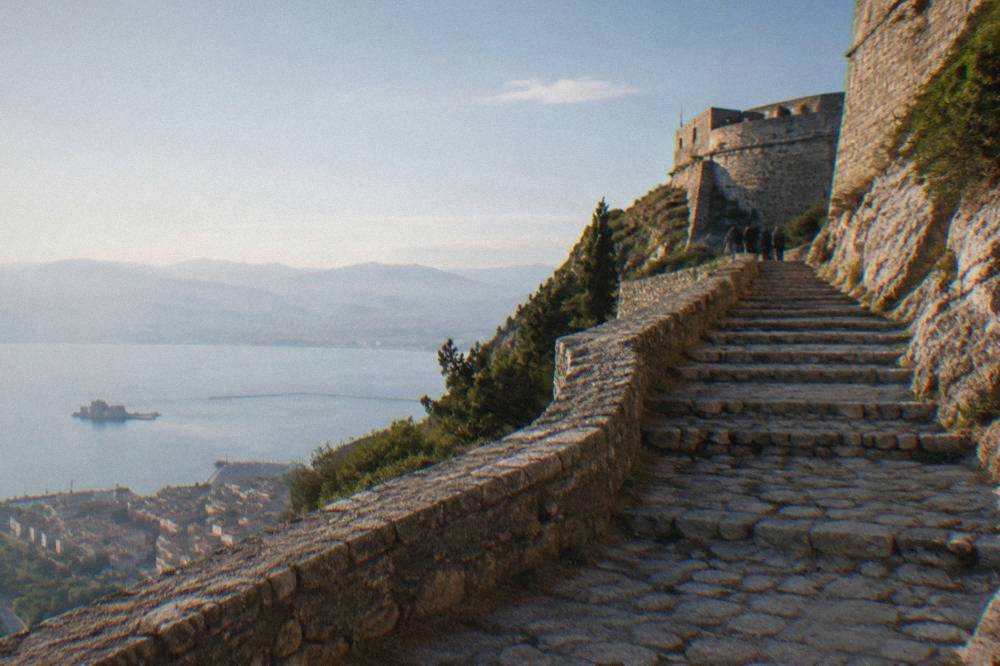
Nafplio offers a compact, walkable Old Town under two fortresses, a fortified islet in its harbour, and the first-capital history of modern Greece from 1827 to 1834, with Palamidi standing 216 m above the town and climbed by a stairway usually counted at 857 steps, not the legendary 999. Athens offers the Acropolis, the national museums and a scale of dining and nightlife Nafplio cannot match.
The two are complements: Athens for density of antiquities, Nafplio for a town you walk rather than ride across. The town's own sights cost less than a day at the region's big sites, and the 2026 prices are published by the Ministry of Culture. Palamidi is 20 euro full and 10 euro reduced, with the reduced ticket sold only from 1 October to 31 May. Bourtzi, the islet fortress reached by boat, is 7 euro full and 5 euro reduced. The Archaeological Museum of Nafplio is 10 and 5 and closes every Tuesday.
| Site or museum | Full ticket 2026 | Reduced ticket | Notes |
|---|---|---|---|
| Palamidi Fortress | 20 euro | 10 euro | reduced sold 1 Oct to 31 May only |
| Bourtzi | 7 euro | 5 euro | reached by boat, boat fare on site |
| Archaeological Museum of Nafplio | 10 euro | 5 euro | closed Tuesdays, 08:30 to 15:30 |
| Mycenae (site, museum, Treasury) | 20 euro | 10 euro | about 32 min drive |
| Epidaurus theatre and sanctuary | 20 euro | 10 euro | about 41 min drive |
| Argos agora and theatre | 10 euro | 5 euro | about 18 min drive |
| Asini | 5 euro | 3 euro | about 17 min drive |
Free-admission days at Greek state sites apply across this list: 6 March, 18 April, 18 May, the last weekend of September, the first and third Sunday of each month from November to March, and 28 October. A Nafplio base can be engineered around those days in a way an Athens base with fixed day-trip dates often cannot.
What Athens gives in exchange is scale. The capital holds the country's principal museums and a restaurant and transport network of metropolitan size. Nafplio's food scene and waterfront are rewarding but small-bore, and the town quiets earlier. Travellers who want theatre nights, major exhibitions and late dining lean Athens; travellers who want to end the day on a seawall lean Nafplio.
A guided walk is the efficient way to read the town's layers, from the Vouleftiko, which housed the first Greek parliament, to the Church of Agios Spyridon, outside which Governor Kapodistrias was assassinated in September 1831. The tour below is the city walking option this site carries for that job: Check availability.
Where Should You Sleep: Nafplio Old Town Or An Athens Base?
Sleep in Nafplio's Old Town if the Argolid is the trip's core, since lodging between Syntagma Square and the harbour puts Palamidi, Bourtzi's boat and the Arvanitia promenade on foot; sleep in Athens if the trip needs the airport, the museums or evenings out.
A climate resilience fee applies across Greece, collected by the accommodation, and higher from April to October.
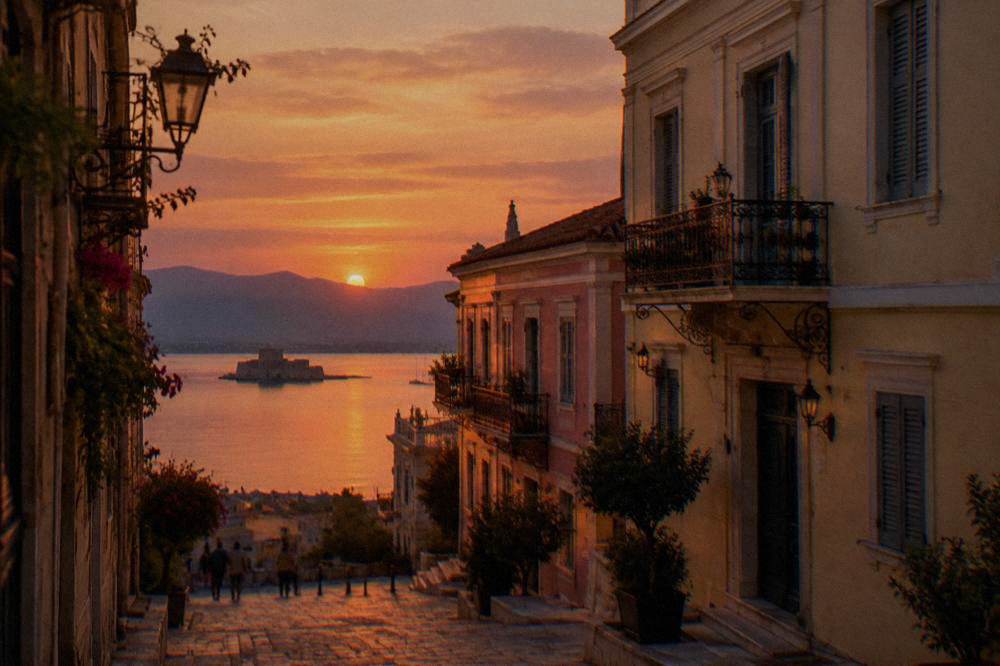
The where to stay in Nafplio page works through those areas in detail, and the editorial judgement here is straightforward: the Old Town trades car access for walkability, while the Akronafplia and harbour side trades a few minutes of walking for sea views. No hotel name, nightly rate or safety ranking is published on this site, so the comparison stays on geography.
Athens bases split the opposite way: lodging near the centre puts the Acropolis walkable but puts the Argolid a two-hour drive distant. The compromise some travellers land on is Athens first, Nafplio after, moving base once rather than commuting. With about 127 minutes of driving each way, one move costs less time than three round trips.
For families and slow travellers, the Nafplio side has one quiet advantage: the town's own beaches. Arvanitia is a Blue Flag pebble beach organised in summer, and Karathona sits about 3 to 4 km out along the coast road. The beaches guide covers both, and neither has an Athens equivalent inside the city.
How Do The Running Costs Compare?
On published 2026 figures the Argolid's headline sites cost 20 euro full and 10 euro reduced at Mycenae, Epidaurus and Palamidi, with the reduced tickets sold only from 1 October to 31 May, while the town's own museum and Bourtzi cost 10 and 7 euro full. Transport between the two cities is a reported 15.70 euro each way by coach or the tolls and fuel of a 141 km drive.
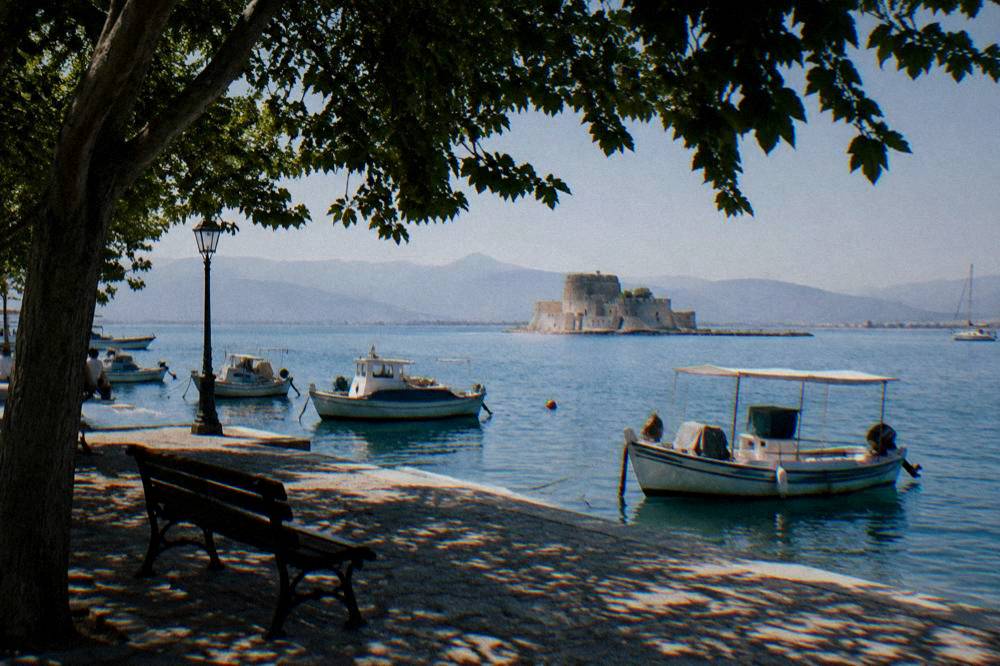
No nightly lodging rate is published on this site for either city, so the comparison rests on tickets and transport, and on the free-admission days that Greek state sites share. A rough budget shape follows from the tables above: a two-night Nafplio base visiting Palamidi, Bourtzi and the museum spends the sum of those three full-price tickets per adult before food and bed, and adding a Mycenae and Epidaurus day stacks two more 20-euro entries on top. An Athens base doing the same Argolid sites by day trip pays the same entry prices plus the travel corridor, whether as coach fares or a rental car's tolls and fuel.
The saving grace for either base is the free-day calendar. The first and third Sundays from November to March align neatly with the off-season reduced tickets, which is the cheapest legitimate way to see the region's state sites, though winter hours, with sites closing at 15:30, compress the days.
What is not comparable on this page is lodging cost. Confirm rates and the fee at booking.
How Does The Weather Compare For Each Base?
The published climate record for the Nafplio area is the HNMS Argos station table, 1980 to 2010, an inland station about 10 km north-west of the town: mean daily highs run from 14.6 C in January to 34.0 C in July, with November the rainier month at 82.5 mm and June the drier at 8.9 mm. This site holds no comparable station table for Athens, so no city-to-city weather figure is stated here.
What the Argolid table shows is a hot, dry summer and a mild, wetter winter, the pattern that drives the region's season.
| Month | Mean daily high C | Mean daily low C | Rain mm | Rain days |
|---|---|---|---|---|
| January | 14.6 | 3.0 | 66.5 | 10.3 |
| March | 17.4 | 4.3 | 52.2 | 9.7 |
| May | 26.5 | 10.5 | 18.7 | 6.2 |
| July | 34.0 | 16.7 | 9.1 | 2.1 |
| September | 29.7 | 14.2 | 20.3 | 5.0 |
| November | 19.2 | 7.7 | 82.5 | 9.4 |
(HNMS Argos station, 1980 to 2010; the remaining months sit between these values.)
The planning consequence is the same for both bases in outline but sharper for an Argolid base, because the region's sites are open-air. From 2 May 2026 the state sites run 08:00 to 20:00, which lets a Nafplio base schedule fortress climbs for late afternoon; in winter the 08:30 to 15:30 hours invert that logic and reward an early start. The best time to visit Nafplio and Nafplio weather pages carry the full monthly tables.
Athens in high summer is a known quantity for heat, and the Argolid table suggests the interior around Argos is too, with a 34.0 C mean high in July. Neither figure ranks one place above the other; both argue for shoulder-season travel, when the reduced tickets of October onward coincide with softer temperatures and thinner timetables.
Is Nafplio A Better Base For The Wider Peloponnese?
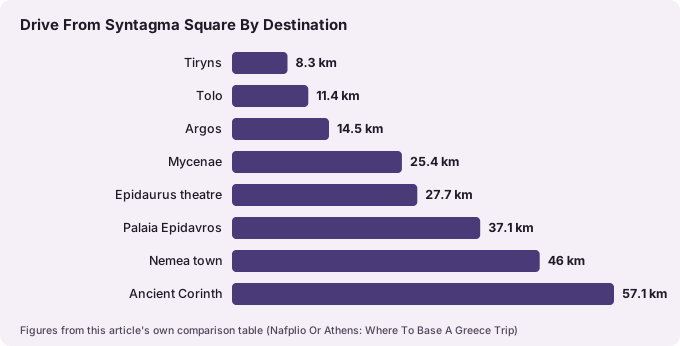
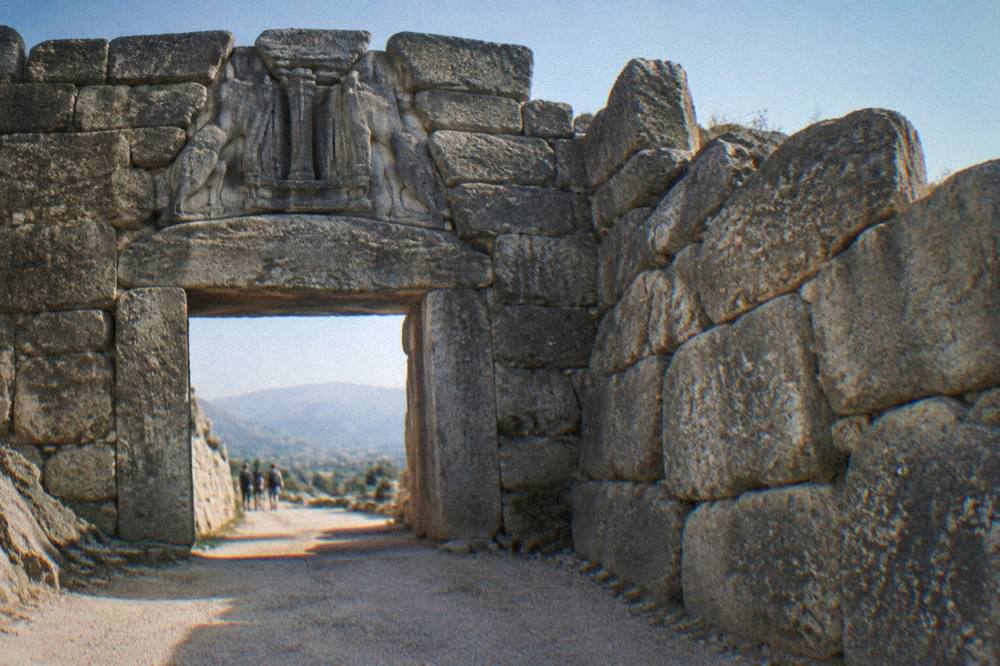
For the north-east Peloponnese, yes, decisively: from Syntagma Square in Nafplio the computed drives are about 9 minutes to Tiryns, 17 to Tolo and Asini, 18 to Argos, 32 to Mycenae, 41 to the Epidaurus theatre, 47 to Palaia Epidavros, 49 to Nemea and 61 to Ancient Corinth, with the Corinth Canal about 72 minutes away. For the deeper Peloponnese the distances grow: Mystras about 124 minutes and Monemvasia about 219.
At those distances a single base anywhere stops being optimal and a road trip takes over.
| Destination | Drive from Syntagma Square | Time |
|---|---|---|
| Tiryns | 8.3 km | about 12 min |
| Tolo | 11.4 km | about 17 min |
| Argos | 14.5 km | about 18 min |
| Mycenae | 25.4 km | about 32 min |
| Epidaurus theatre | 27.7 km | about 41 min |
| Palaia Epidavros | 37.1 km | about 47 min |
| Nemea town | 46.0 km | about 49 min |
| Ancient Corinth | 57.1 km | about 61 min |
| Corinth Canal | 68.9 km | about 72 min |
| Mystras | 128.4 km | about 124 min |
| Monemvasia | 208.2 km | about 219 min |
That table is the strongest argument a Nafplio base has. Athens sits outside this web; every one of these drives starts with the same two-hour corridor east or west. The Argolid road trip page sequences the near sites into loops, and the UNESCO listings give the region its weight: the archaeological sites of Mycenae and Tiryns were inscribed in 1999, the Sanctuary of Asklepios at Epidaurus in 1988.
Two corrections keep the map honest. The Little Theatre of Epidaurus is listed by the Ministry as closed to day visits, so it belongs to the festival, not to a sightseeing plan. And no scheduled ferry runs from Nafplio or Tolo to Hydra or Spetses; older guides say otherwise, which is out of date, and the islands are reached by seasonal day cruise or from another port.
For a Nafplio base with children or without a car, the active options fill the gaps: a bike-and-taste circuit of the town and its surroundings is this site's pick for a car-free active day, available here: Check availability.
How Does Nafplio Compare With Other Bases In The Argolid?
Inside the Argolid itself the alternatives to Nafplio are Tolo, Argos and the coast at Palaia Epidavros, and each trades something: Tolo is about 17 minutes away and sits on a swimming beach; Argos is about 18 minutes inland; Palaia Epidavros at about 47 minutes suits an Epidaurus-only plan. Nafplio's edge is editorial judgement backed by geography: it alone combines the Old Town, the harbour and Palamidi on foot.
Its near-equal reach to every site in the table above completes the case.
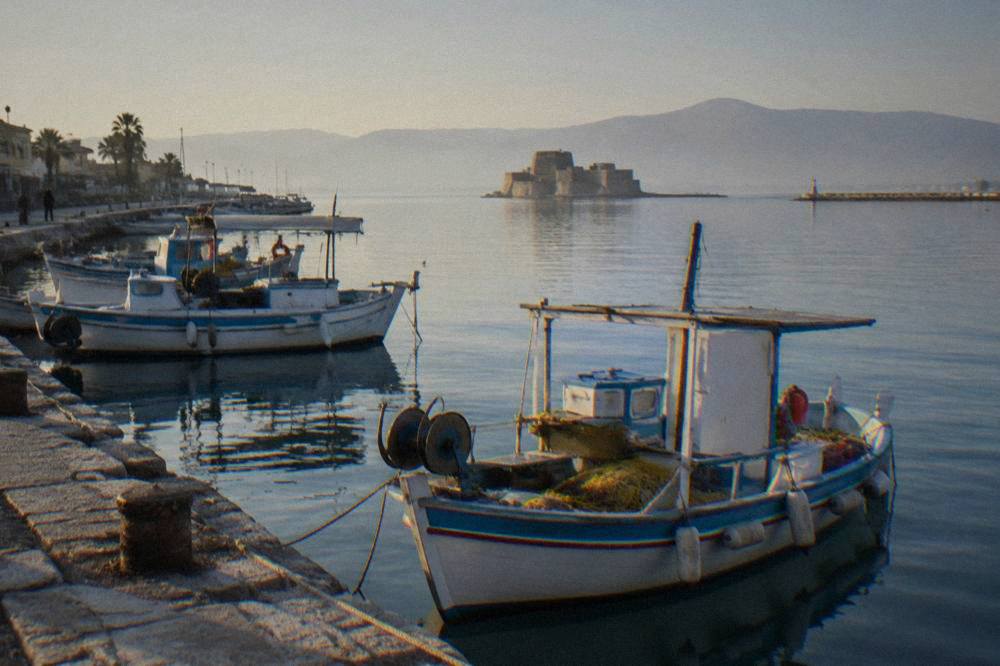
Tolo works as a beach-first base with a quieter evening scene, and the local KTEL fare is reported at about 2.20 euro each way to and from Nafplio, so the two towns function almost as one for planning. Argos holds its own antiquities, the agora and theatre ticketed together at 10 euro full and 5 euro reduced, but its inland position gives up the sea. Karathona, Arvanitia and Pronoia are districts of Nafplio rather than rival bases, covered on the where to stay page.
Beyond the Argolid, Porto Heli at about 98 minutes and Ermioni at about 96 push toward the islands and a boat-based trip, while Monemvasia and Mystras belong to a longer Peloponnese circuit. The question "Nafplio or Athens" quietly becomes "Nafplio or a road trip", and the getting around Nafplio page helps decide whether the town works better as a hub or as one stop on a loop.
For history-minded travellers the tie-breaker is what the town itself is. The history of Nafplio runs from Venetian rule through the first-capital years of 1827 to 1834, and no rival base in the region carries a comparable modern-Greek story.
Common Questions About Basing A Trip In Nafplio Or Athens
Nafplio or Athens: which is better for a first trip to Greece?
For a first trip of about a week or less, Athens usually works better as the base, because the Acropolis, the national museums and the airport are all there and a guided Argolid day trip covers the headlines. Nafplio comes into its own from about four days onward in the region, when its position about 32 minutes from Mycenae and about 41 from Epidaurus starts to save real driving.
Can you stay in Nafplio and visit Athens?
Yes. The drive is about 141 km and about 127 minutes each way, and the coach is reported at about 2 hours 10 minutes for a reported fare of about 15.70 euro one way. It is practical for one Athens day, tiring as a daily pattern, and the schedules should be confirmed before travel.
Is Nafplio too small to be a base?
No. The town has about 14,500 residents, a full Old Town of sights, Palamidi Fortress at 20 euro full and 10 euro reduced in 2026, Bourtzi by boat, and a Blue Flag beach at Arvanitia. What it lacks is metropolitan scale, which is exactly the trade an Athens base makes in the other direction.
Do you need a car if you base in Nafplio?
Not necessarily. Local KTEL buses are reported to reach Tolo and Argos for about 2.20 euro and Mycenae and Epidaurus for about 3.50 euro, though the Mycenae and Epidaurus services are sparse and should be confirmed. A car widens the map considerably, and the Old Town's parking restrictions are the main friction.
Which base is cheaper?
On published figures the sites cost the same from either base: Mycenae, Epidaurus and Palamidi at 20 euro full and 10 euro reduced in 2026. The difference is transport, a reported 15.70 euro coach fare each way or the tolls and fuel of a 141 km drive, since this site publishes no lodging rates for either city.
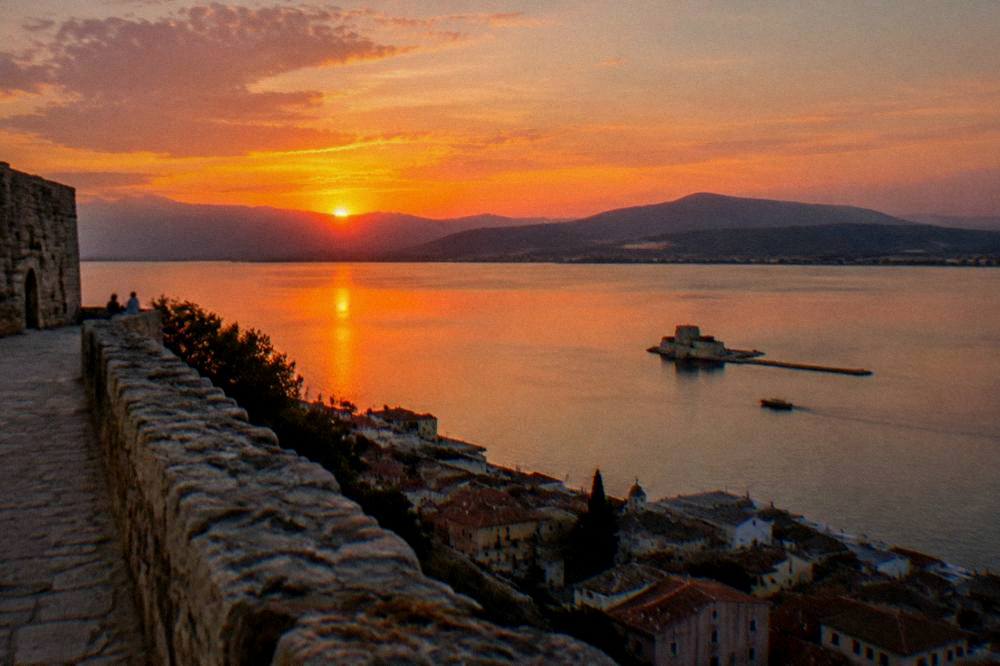
The choice, stated plainly: keep Athens as the base when the trip is short, museum-centred or flight-bound, and let a guided day carry the Argolid; move the base to Nafplio when Mycenae, Epidaurus, Tiryns and the coast are the point, because from Syntagma Square in Nafplio all of them sit inside about an hour's drive. Travellers who want both can split the trip with a single two-hour transfer between the two, and the town that was Greece's capital from 1827 to 1834 will still be there on the second half.