Argos: One Of Europe's Oldest Continuously Inhabited Towns
Argos sits about 18 minutes by road from Syntagma Square in Nafplio, and its ancient agora and theatre are covered by one 10 euro state ticket. This guide sets out what the official sources say about getting there, opening hours and how the city fits into an Argolid day trip.
Short answer
Argos is about 14.5 km and 18 minutes by road from Syntagma Square in Nafplio. The combined ticket for the Ancient Agora and the Ancient Theatre costs 10 euro full and 5 euro reduced, and the sites keep winter hours, 08:30 to 15:30, all year.
Argos, in the Argolid region of the Peloponnese in southern Greece, is the plain-dwelling neighbour of Nafplio, about 14.5 km and 18 minutes by road inland from Syntagma Square. The city is described as one of Europe's oldest continuously inhabited towns, a billing that appears on its own tourism materials and in guidebook copy, and its Archaeological Ancient Agora and Ancient Theatre are state monuments with a published 2026 ticket. What the official record supports is narrower than the legend suggests, and this guide sticks to it: the drive time, the ticket, the hours, the reported bus fare, and how Argos slots into a day alongside Mycenae and Tiryns.
Nafplio, for orientation, is a small coastal town of about 14,500 residents on the Argolic Gulf. Argos lies inland from it, up the plain, a few minutes beyond Tiryns. The two cities' histories are tangled: Argos was the region's great power in antiquity, while Nafplio carried the modern weight as capital of Greece from 1827 to 1834, a story traced on the history of Nafplio page. The pair makes an easy single-day combination, and everything below comes from the Ministry of Culture's own listings, computed route data, and reported bus information.
Why Visit Argos From Nafplio?
Argos is the closest ancient site to Nafplio after Tiryns, about 18 minutes and 14.5 km by road from Syntagma Square, and its Ancient Agora and Ancient Theatre are open under a single state ticket costing 10 euro full and 5 euro reduced in 2026, the Ministry of Culture's listing shows. The city is described as one of Europe's oldest continuously inhabited towns, a billing that belongs to tourist copy, not to an official record.
The practical case is simple: it is near, it is cheap, and it needs no full day.
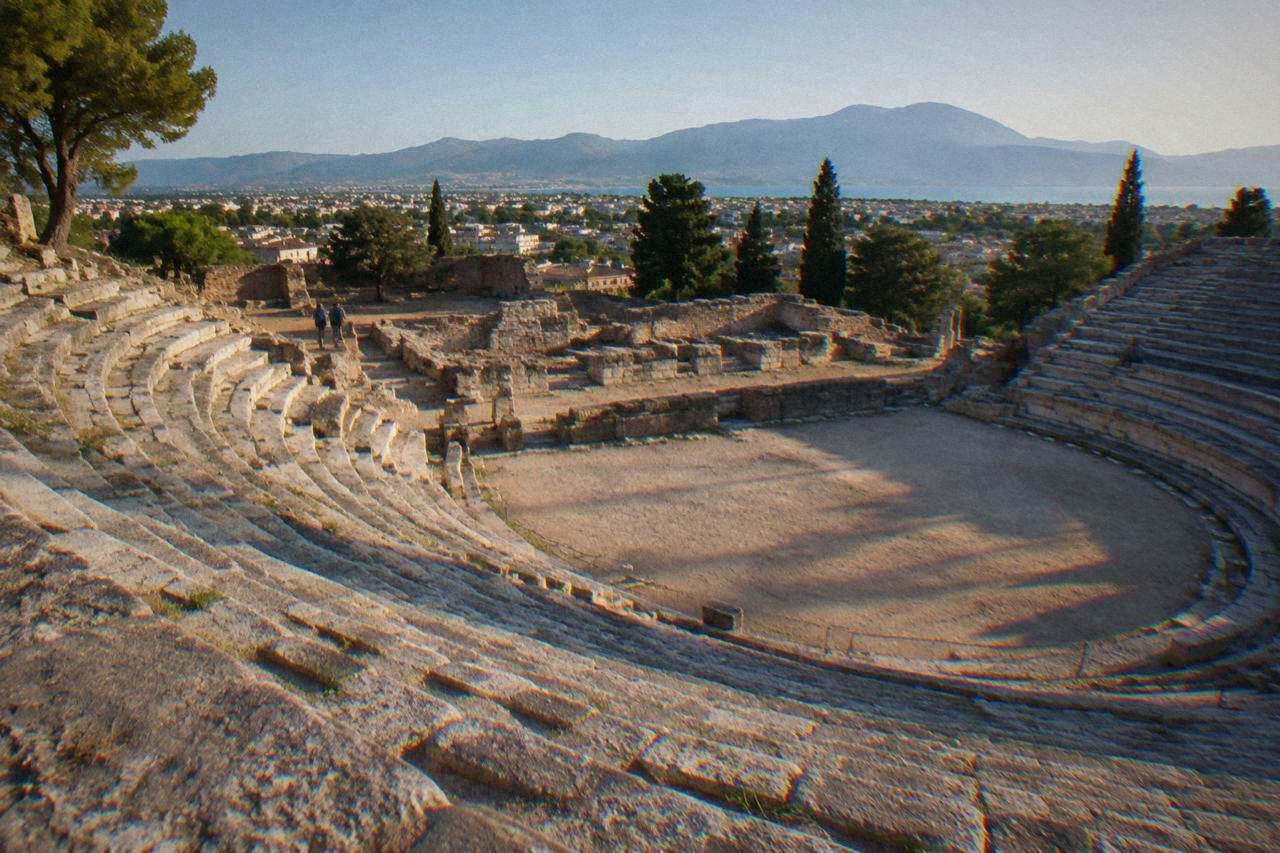
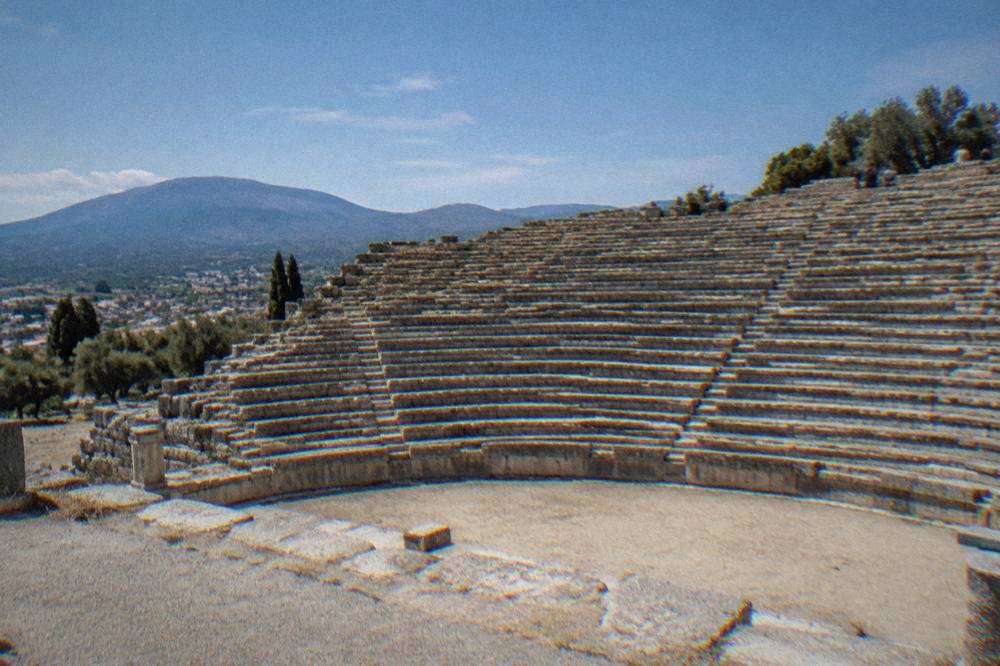
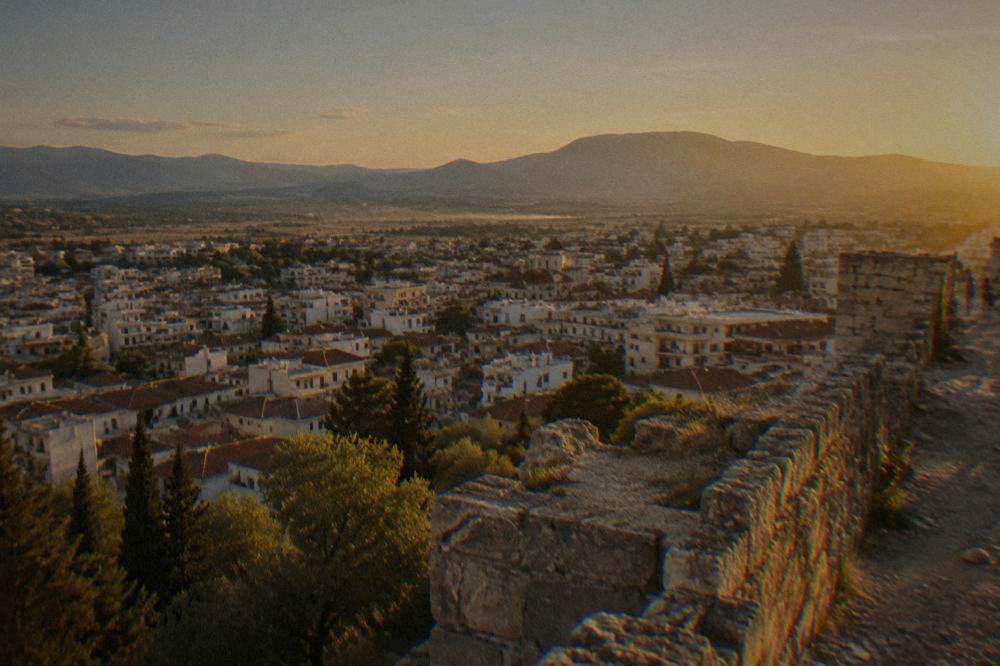
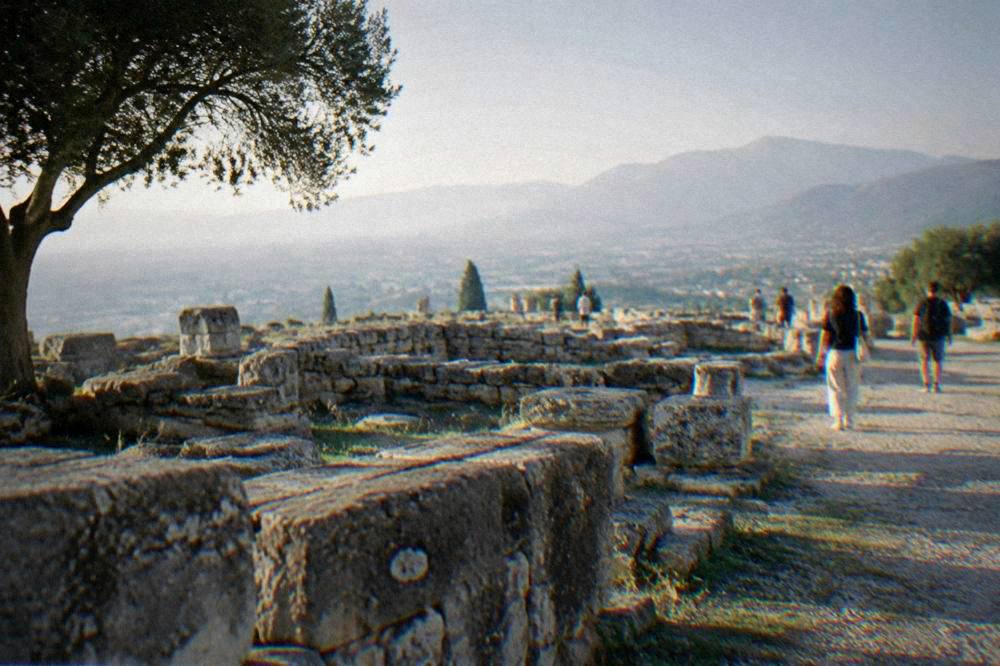
The Argos that a visitor sees is layered rather than monumental in the Mycenae sense. The Ancient Theatre is carved into the hillside, and the Ancient Agora lies beside it; both are administered by the Argolis Ephorate of Antiquities under the state ticketing system. The listing gives the sites winter hours, 08:30 to 15:30, with no summer extension published, which marks Argos out from Palamidi, Mycenae and Epidaurus, whose hours stretch to 20:00 from early May.
That short day shapes the visit. Argos works as a morning stop on a loop that takes in Tiryns first, about 9 minutes from Syntagma Square, then Argos, then optionally Lerna or the road toward Mycenae. The Argolid road trip itinerary covers that loop in full. For travellers with one day in Nafplio, Argos is usually the site to drop when time is short, and the one day in Nafplio plan does exactly that.
How Do You Get From Nafplio To Argos?
Argos is about 14.5 km and 18 minutes by road from Syntagma Square in Nafplio, computed over standard routing in free-flow conditions, and the reported KTEL Argolida local bus fare from Nafplio to Argos is 2.20 euro one way, with services reported to run about every 30 minutes on weekdays from early morning. There is no train anywhere in this part of the Peloponnese in 2026, so the choice is bus, car or an organised tour.
The KTEL figure deserves its attribution. The 2.20 euro fare and the roughly half-hourly weekday frequency come from local reporting on the October 2026 Argolida bus schedules, not from the operator's own published page, so confirm the timetable on the KTEL Argolida site or at the Nafplio bus stop before committing a morning to it. The same reported schedule puts the bus to Tiryns on the same 2.20 euro fare, which makes a two-site bus day straightforward.
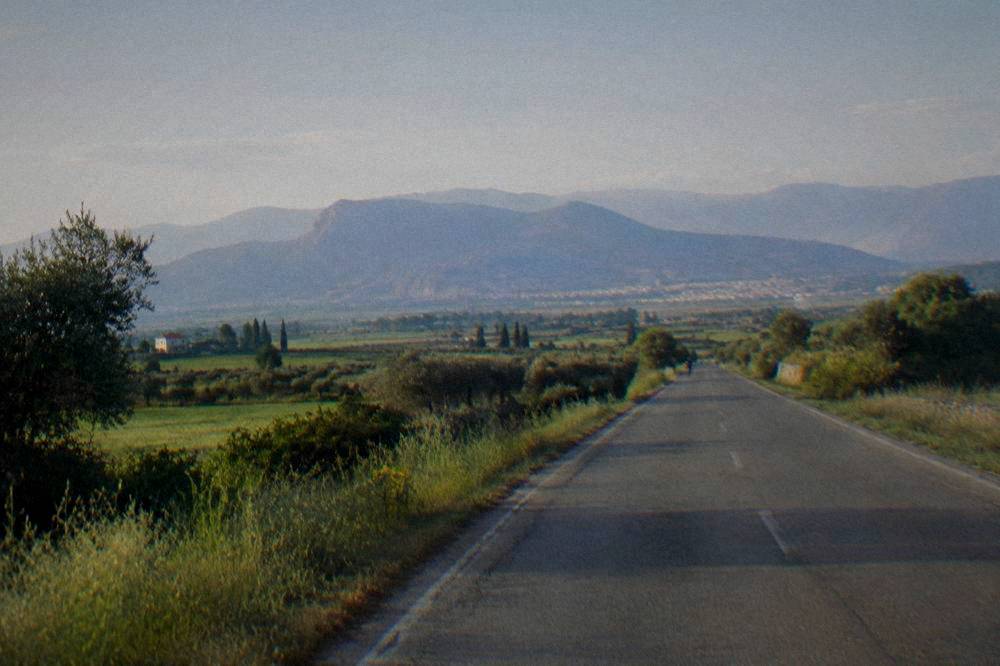
By car, the route runs up the Argolic plain on the main Argos road, past Tiryns on the way. Parking specifics for Argos are not in the official record; in Nafplio itself the Old Town is largely closed to visitor parking and the free lots sit on the Akti Miaouli waterfront, per local guidance. A hire car makes the fuller loop, taking in Lerna at about 20 minutes or Mycenae at about 32 minutes from Syntagma Square, considerably easier than the bus, whose Mycenae and Epidaurus services are reported to be sparse.
The organised option is worth a sentence. A shared transfer to Mycenae and Epidaurus from Nafplio covers Argos's two headline neighbours in one booked seat, and Check availability on the operator's live listing before planning around it, since Argos itself is not a standard stop on those runs. The tours below carry the full picture, including options that start from Athens rather than Nafplio.
What Do Argos Tickets And Hours Cost In 2026?
The combined state ticket for the Ancient Agora and the Ancient Theatre of Argos costs 10 euro full and 5 euro reduced in 2026, per the Ministry of Culture's listing, and both sites keep the same hours all year, 08:30 to 15:30. Unlike Palamidi, Mycenae and Epidaurus, no long summer evening schedule is published for Argos, so an afternoon arrival risks finding the gate shut.
The 10 and 5 euro figures matter because older pages still circulate smaller numbers for Argolida sites generally. The 2026 prices across the state network in this region are set out below; where a cell is missing, the price is not in the official record and should be checked at the gate.
| Site (2026, Ministry of Culture) | Full ticket | Reduced ticket | Hours |
|---|---|---|---|
| Argos Ancient Agora and Ancient Theatre | 10 EUR | 5 EUR | 08:30-15:30 all year |
| Palamidi Fortress | 20 EUR | 10 EUR | Winter 08:30-15:30; from 2 May 2026 08:00-20:00 |
| Mycenae (site, museum, Treasury of Atreus) | 20 EUR | 10 EUR | As Palamidi |
| Epidaurus theatre, sanctuary, museum | 20 EUR | 10 EUR | Winter 08:00-17:00; from 1 Mar 2026 08:00-18:00 |
| Bourtzi | 7 EUR | 5 EUR | Seasonal, from 09:00 |
| Archaeological Museum of Nafplio | 10 EUR | 5 EUR | 08:30-15:30, closed Tuesday |
| Asini | 5 EUR | 3 EUR | State schedule |
Two rules from the state system apply to Argos as to every Greek state site. The reduced 10 euro and 5 euro tickets at the big sites are sold only from 1 October to 31 May, so in summer only full tickets exist. And the free-admission days are fixed by ministry policy: 6 March, 18 April, 18 May, the last weekend of September, every first and third Sunday from November to March, and 28 October. A November Sunday visit to Argos can therefore cost nothing at all.
Can You Pair Argos With Mycenae And Tiryns In One Day?
Yes, and the computed drive times make it comfortable: Tiryns is about 9 minutes from Syntagma Square in Nafplio, Argos about 18 minutes, Mycenae about 32 minutes, and the three sites trace one road up the Argolic plain, so a car covers all three inside a normal sightseeing day. The constraint is not distance but hours: Argos closes at 15:30 year-round, and Mycenae's summer evenings run to 20:00, so Argos belongs in the morning.
The logic of the order is simple. Leave Nafplio early, take Tiryns first while the light is low and the site is quiet, continue to Argos for the theatre and agora before the 15:30 close, then drive on to Mycenae, which sits furthest out at about 25 km and 32 minutes from Syntagma Square, and use its long afternoon hours. Mycenae and Tiryns together form one UNESCO World Heritage inscription, the Archaeological Sites of Mycenae and Tiryns, inscribed in 1999, so the loop also collects two of the three World Heritage sites within reach of Nafplio; the Sanctuary of Asklepios at Epidaurus, inscribed in 1988, lies the other way, about 41 minutes out. The question of which is better, Mycenae or Epidaurus, and whether both fit in a single day, is answered on its own page.
| Stop on the Argos loop | Drive from Syntagma Square | Drive from previous stop |
|---|---|---|
| Tiryns | about 9 minutes, 5 km | start point Nafplio |
| Argos | about 18 minutes, 14.5 km | about 9 minutes from Tiryns |
| Lerna | about 20 minutes, 12.6 km | minutes from Argos, next plain stop |
| Mycenae | about 32 minutes, 25 km | about 14 minutes from Argos |
Travellers starting from Athens rather than Nafplio have a related option: a full-day private tour that strings Mycenae, Epidaurus and Nafplio together in one booked day. It does not call at Argos, but it covers the region's headline trio, and the link above shows the live listing.
What Can You Actually See In Argos?
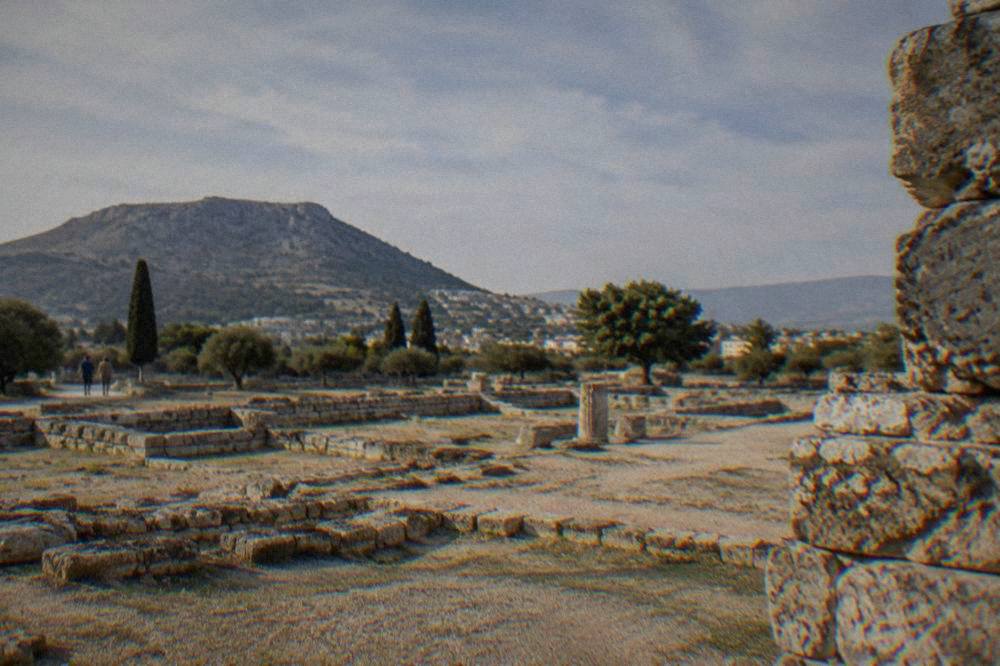
The state-listed visitable monuments are the Ancient Agora and the Ancient Theatre, both on the one 10 euro ticket, both open 08:30 to 15:30; beyond those two, Argos's other antiquities, including its archaeological museum, have no published 2026 hours or prices in the official record, so check locally before walking to them. The theatre, cut into the hillside, and the agora beside it are the substance of a visit.
Argos was the regional power of the plain in antiquity, and its rivalry with Mycenae's world is the reason two of the area's sites now share a UNESCO inscription. Later layers matter too: Argos stands near Lerna, about 20 minutes from Syntagma Square by road, and on the road toward Ancient Nemea, about 46 minutes, and Nemea makes a natural wine-country extension for a second day.
What this page will not do is list restaurants, cafes or shops in Argos. None are in the official record. For eating in the region generally, the practical base remains Nafplio, whose Syntagma Square and Old Town hold the concentration of tavernas, and whose walking options are laid out under things to do in Nafplio.
Is Argos Worth The Trip On Its Own?
On its own, Argos is a short visit, two state monuments on one 10 euro ticket with 08:30 to 15:30 hours, so the honest editorial judgement is that it earns its place as part of a loop with Tiryns and Mycenae rather than as a standalone morning from Nafplio; the theatre rewards the stop, but the day's weight should sit on Mycenae, about 32 minutes further on, whose 20 euro ticket covers site, museum and Treasury of Atreus.
That is a judgement, not a ranking. The reasons come from the figures: Argos offers the region's cheapest state ticket and its shortest drive, but its hours never extend and its visitable surface is small beside Mycenae's. A traveller with a spare half day and no car can still justify it: the reported 2.20 euro bus fare each way makes Argos the cheapest organised antiquity outing available from Nafplio.
What Is The Weather Like In Argos?
Argos shares the climate of the Argolic plain, recorded at the HNMS Argos station, 1980 to 2010, an inland station about 10 km north-west of the town: mean daily highs run from 14.6 C in January to 34.0 C in July, and the plain is rainier in November, 82.5 mm, than in any summer month. Argos sits inland, so it lacks the sea breeze that softens Nafplio's waterfront in July and August.
The table gives the station normals. Only temperature and rainfall are recorded; sunshine hours and sea temperatures are not part of this record and are not stated.
| Month | Mean daily high C | Mean daily low C | Rain mm | Rain days |
|---|---|---|---|---|
| Jan | 14.6 | 3.0 | 66.5 | 10.3 |
| Feb | 14.7 | 2.9 | 52.5 | 10.1 |
| Mar | 17.4 | 4.3 | 52.2 | 9.7 |
| Apr | 21.3 | 6.7 | 33.7 | 8.6 |
| May | 26.5 | 10.5 | 18.7 | 6.2 |
| Jun | 31.4 | 14.0 | 8.9 | 3.0 |
| Jul | 34.0 | 16.7 | 9.1 | 2.1 |
| Aug | 33.7 | 16.8 | 13.0 | 2.5 |
| Sep | 29.7 | 14.2 | 20.3 | 5.0 |
| Oct | 24.7 | 11.5 | 44.3 | 6.9 |
| Nov | 19.2 | 7.7 | 82.5 | 9.4 |
| Dec | 15.5 | 4.8 | 69.7 | 12.2 |
For planning, spring and autumn fit the Argos loop best: April's mean high of 21.3 C and October's 24.7 C are kind to hillside theatres, while July and August mean 34.0 C and 33.7 C inland. November and December carry the year's rain, 82.5 mm and 69.7 mm across 9.4 and 12.2 rain days, and the free first and third Sundays from November to March fall in exactly that quiet stretch, pairing an empty site with a wetter sky. The rest of the planning pages sit on Nafplio Travel Guide.
How Does Argos Fit Into A Longer Argolid Trip?
Argos is the hinge of the Argolic plain: every major day trip from Nafplio except Epidaurus and the coast road passes through or near it, with Mycenae about 32 minutes, Lerna about 20 minutes, Ancient Nemea about 46 minutes and Ancient Corinth about 61 minutes from Syntagma Square by road, so a two or three day Argolid itinerary naturally spends one morning in Argos and radiates from there.
The Peloponnese road trip pattern is the template. Day one takes the plain: Tiryns, Argos, Mycenae. Day two swings east to Epidaurus, about 41 minutes, and the coast at Palaia Epidavros, about 47 minutes. Day three goes north and west, to Ancient Corinth and the Corinth Canal at about 61 and 72 minutes, or to Nemea's wineries. The islands of Hydra and Spetses are not on this list for a reason: no scheduled public ferry runs from Nafplio or Tolo, an out-of-date claim in older guides, and the islands are reached by seasonal day cruise or from another port.
| Day-trip destination from Nafplio | Drive from Syntagma Square |
|---|---|
| Tiryns | about 9 minutes |
| Argos | about 18 minutes |
| Lerna | about 20 minutes |
| Mycenae | about 32 minutes |
| Epidaurus theatre | about 41 minutes |
| Ancient Nemea | about 46 minutes |
| Palaia Epidavros | about 47 minutes |
| Nemea town | about 49 minutes |
| Ancient Corinth | about 61 minutes |
| Corinth Canal | about 72 minutes |
Do You Need A Tour For Argos, Or Can You Go Independently?
Argos is the easiest major site in the Argolid to reach independently: the drive is about 18 minutes from Syntagma Square, the reported bus fare is 2.20 euro each way, and the 10 euro ticket is bought at the gate, so no tour is needed for Argos itself; guided products earn their place on the neighbouring headline sites, above all Mycenae and Epidaurus, where a shared transfer or private guide handles the sparse bus services and the interpretation at once.
The shared transfer is this site's featured pick for the region. It runs from Nafplio to Mycenae and Epidaurus, and the operator's live listing carries its current dates and price; free cancellation is standard, and Check availability before building a day around it. A step-by-step pairing plan is on the Mycenae and Epidaurus tours page.
For travellers who want depth at Mycenae rather than transport, a skip-the-line site ticket with optional audio guide is another route in; the live listing above shows what the entry option covers. Argos has no equivalent product in the roster, which is another way of saying that it stays an independent, low-friction stop.
A Sample Morning In Argos From Nafplio
A workable morning runs: leave Nafplio around 09:00, reach Argos by about 09:20 after the 18-minute drive or a reported 2.20 euro bus ride, buy the combined 10 euro ticket for the agora and theatre, spend the middle of the morning across both monuments, and still be back in Nafplio for lunch, or onward to Mycenae, about 32 minutes from Syntagma Square, for the afternoon. The sites close at 15:30, so the morning is the safe window.
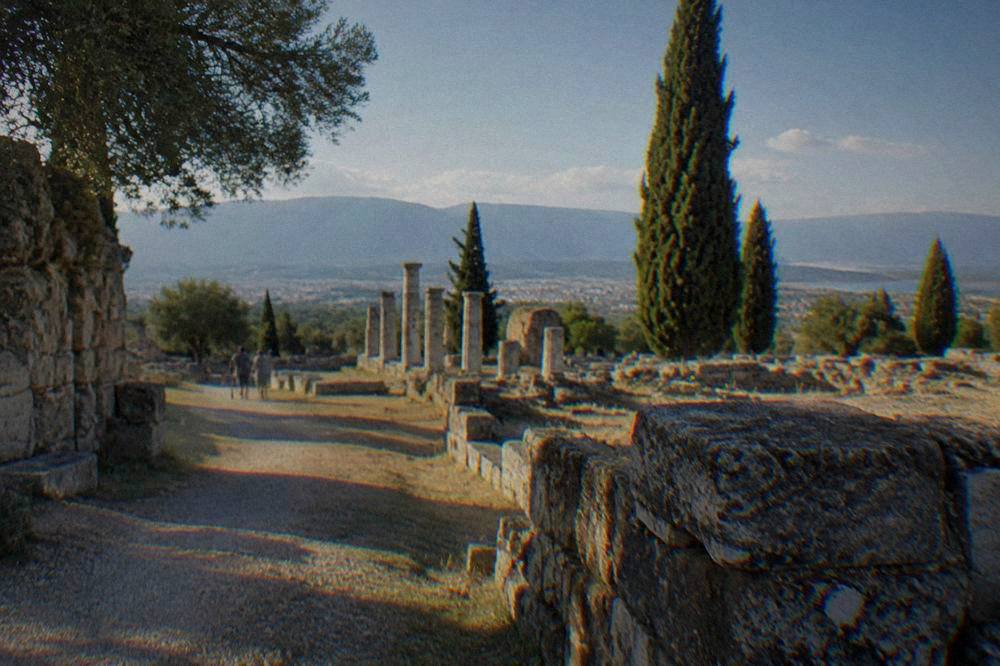
The order inside the site is not prescribed by any official source, so keep it loose. The theatre is the visual anchor; the agora spreads below it. Nothing in the official record gives walking times, paths or facilities at Argos, so treat the visit as a short, self-guided wander rather than a half-day expedition, and put the remaining hours into Mycenae, Epidaurus or the Nafplio sights, from Palamidi and Bourtzi to the Land Gate and the Old Town lanes.
What About Argos With Children Or On A Rainy Day?
Argos suits a short family stop, since the 10 euro full ticket is the region's cheapest state entry and children's concessions follow the state rules, reduced tickets sold only from 1 October to 31 May, but the site is open ground with no shelter, so on rain the indoor alternatives in Nafplio serve better: the Archaeological Museum of Nafplio, 10 euro, open 08:30 to 15:30 but closed Tuesdays, and the folklore museum.
November's 82.5 mm of rain, on the HNMS Argos station record, 1980 to 2010, makes that a real consideration in the quiet season. The rain-day options in and around Syntagma Square are collected on the Nafplio pages, and the Kolokotronis statue and first parliament building at the Vouleftiko add covered history indoors.
Common Questions About Argos
How far is Argos from Nafplio?
Argos is about 14.5 km and 18 minutes by road from Syntagma Square in Nafplio, computed over standard routing in free-flow conditions.
How much does Argos cost to visit?
The combined ticket for the Ancient Agora and the Ancient Theatre costs 10 euro full and 5 euro reduced in 2026, per the Ministry of Culture's listing.
What are the opening hours of the Argos ancient sites?
The Ancient Agora and Ancient Theatre of Argos keep 08:30 to 15:30 hours all year, with no published summer extension.
Is there a bus from Nafplio to Argos?
Yes. The reported KTEL Argolida fare from Nafplio to Argos is 2.20 euro one way, with weekday services reported at about every 30 minutes; confirm the timetable locally before you go.
Can you visit Argos, Tiryns and Mycenae in one day?
Yes, by car. The computed drive times from Syntagma Square are about 9 minutes to Tiryns, about 18 minutes to Argos and about 32 minutes to Mycenae; do Argos in the morning because it closes at 15:30.
Is Argos one of Europe's oldest continuously inhabited towns?
Argos is described and billed as one of Europe's oldest continuously inhabited towns in tourist and guidebook copy, and habitation has been long, but this page makes no independent claim beyond that billing.
Argos earns its half morning: a 10 euro ticket, a hillside theatre, an 18-minute drive or a reported 2.20 euro bus fare, and a position at the centre of every route the Argolid offers. Pair it with Tiryns and Mycenae on the plain loop, keep it to the hours before 15:30, and let Nafplio's longer-evening sights carry the rest of the day.