Which Is Better, The Peloponnese Or Crete?
Comparing the Peloponnese around Nafplio with Crete as trip choices: distances, sights, drive times and how to decide between them.
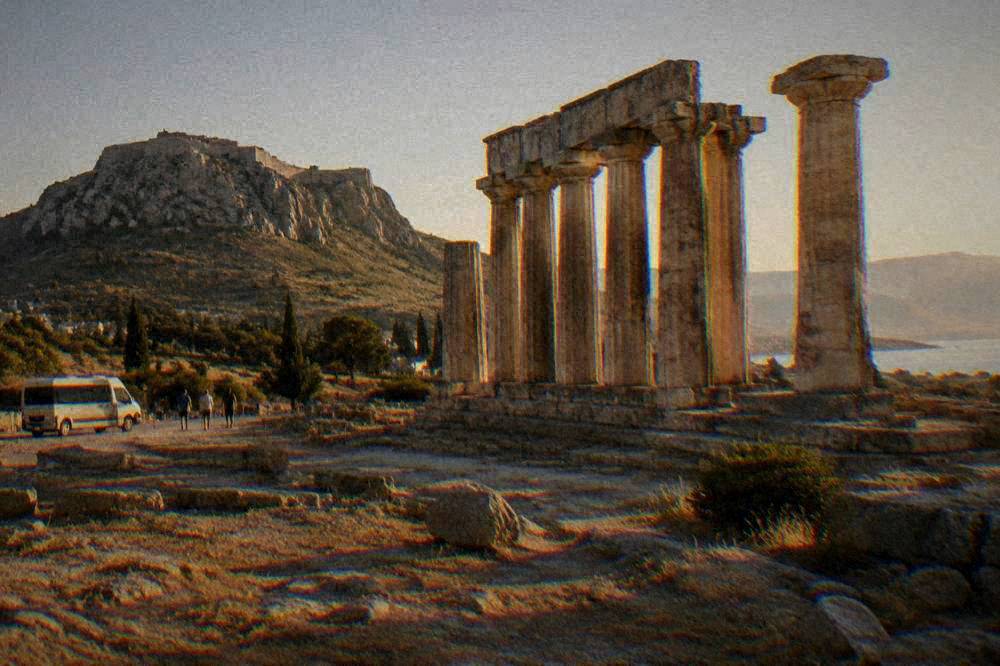
Nafplio is a small coastal town of about 14,500 residents in the Argolid, on the Argolic Gulf in the north-east Peloponnese of mainland Greece, and it sits at the centre of this comparison whether travellers arrive from Athens or from a cruise call. The question "which is better, the Peloponnese or Crete?" is really a question about what kind of trip someone wants, because the two are not competing versions of the same destination. The Peloponnese around Nafplio concentrates UNESCO-listed Bronze Age sites, Venetian towns and fortress walks within an hour's drive of each other.
Which Is Better, The Peloponnese Or Crete?
Neither is objectively better, and the honest answer is that they are different trips: the Peloponnese around Nafplio packs Mycenae, Tiryns, Epidaurus, Argos, Nemea and Ancient Corinth within about an hour's drive of one town of 14,500 residents, while Crete is an island a fraction of the size of the mainland that still needs its own multi-day plan.
The comparison deserves to be made on structure rather than on superlatives. From Syntagma Square in Nafplio, Tiryns is about 9 minutes away by car, Argos about 18, Mycenae about 32, the theatre at Epidaurus about 41 and Ancient Corinth about 61. Those are computed free-flow driving times, and they mean a visitor based in Nafplio can reach two major archaeological sites between breakfast and dinner without changing accommodation. Crete cannot be summarised with a comparable table from this site's sources, and any figure printed about it here would be invented, so it is described as what it is: a large island reached by air or by sea, planned around its own regions.
For a longer holiday built around beaches, gorges and a quite different scale of island driving, Crete is a separate project, and mixing the two into one rushed itinerary serves neither. Readers who want the fuller case for the peninsula can read is the Peloponnese worth visiting, and those deciding which part to base in can start with the nicest part of the Peloponnese.
How Do The Sights Around Nafplio Compare With An Island Trip?
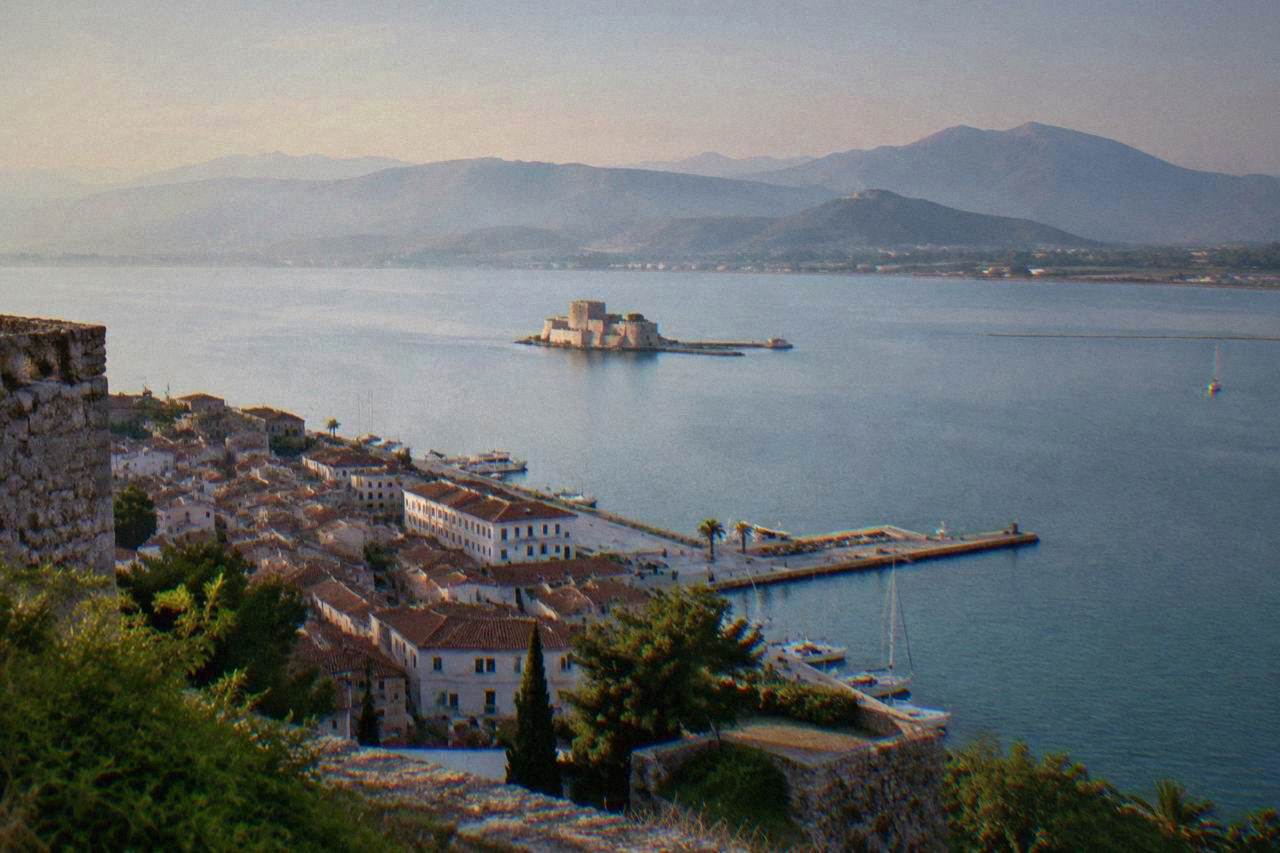
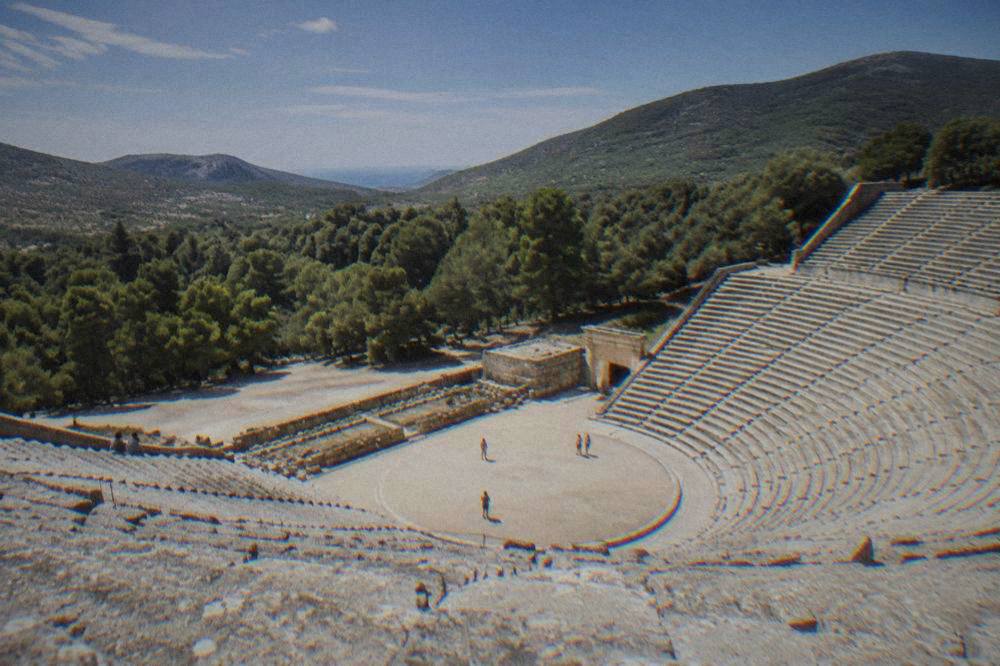
The Nafplio area holds two UNESCO World Heritage inscriptions within about 40 minutes' drive of each other: the Archaeological Sites of Mycenae and Tiryns, inscribed in 1999, and the Sanctuary of Asklepios at Epidaurus, inscribed in 1988, plus Palamidi Fortress standing 216 m above the Old Town and the Bourtzi islet in the harbour.
That density is the practical argument for the Peloponnese. A traveller can climb to Palamidi in the morning, about 850 steps by the usual count of 857 and not the legendary 999, then drive half an hour to Mycenae the next day and stand inside the Treasury of Atreus on the same 20 euro ticket that covers the site and its museum. Epidaurus adds a theatre and sanctuary under the same pricing, and the state free-admission days, 6 March, 18 April, 18 May, the last weekend of September and the first and third Sundays from November to March, apply across the state sites.
The island carries the Minoan palaces and its own mountain interior, and a fair comparison treats that as a different category of trip rather than a rival list to score against Mycenae.
| Sight from Nafplio | Drive time, about | 2026 ticket |
|---|---|---|
| Tiryns | 9 minutes | price not on the official page, check at the gate |
| Argos agora and theatre | 18 minutes | 10 euro full, 5 euro reduced |
| Mycenae | 32 minutes | 20 euro full, 10 euro reduced |
| Epidaurus theatre | 41 minutes | 20 euro full, 10 euro reduced |
| Palamidi Fortress (in town) | none, walk up | 20 euro full, 10 euro reduced |
| Bourtzi (in harbour) | short boat trip | 7 euro full, 5 euro reduced |
The concentration is what makes a Nafplio base work without a new hotel every second night. The guide to the Peloponnese from Nafplio lays out the same logic across a full week, and for travellers weighing the two headline ruins against each other first, the Mycenae or Epidaurus comparison covers that choice in detail.
Guided days are one way to cover the Argolid's spread without renting a car, and the picks above are the ones this site lists for exactly that. A tour also sidesteps the sparse bus services: the reported local KTEL fares are about 2.20 euro to Argos or Tolo and about 3.50 euro to Mycenae or Epidaurus, but the Mycenae and Epidaurus services are thin, per local reporting, and should be confirmed before they are relied on.
Is A Nafplio Base Easier To Plan Than A Crete Trip?
Yes, in the specific sense that everything in the Nafplio corner of the Peloponnese is reachable from one base: Athens is about 141 km and two hours away by road, the KTEL coach from the Kifissos terminal to Nafplio is reported at 15.70 euro one way and about 2 hours 10 minutes, and the whole Old Town, Palamidi, Akronafplia and Bourtzi network is walked rather than driven.
Transport around Nafplio is honest about its limits, and so is this page. There is no passenger train to Nafplio in 2026, a point older guides still get wrong, and no scheduled public ferry from Nafplio or Tolo to Hydra or Spetses; the islands are reached by seasonal day cruise or from another port. Within the Argolid the car is the flexible option, and the computed drive times above are free-flow figures from Syntagma Square. Parking sits mostly outside the Old Town, which is largely closed to visitor parking, with free lots reported along the Akti Miaouli waterfront.
The evening climate matters to planning too, and the only citable numbers are station records. The HNMS Argos station table, 1980 to 2010, from an inland station about 10 km north-west of town, shows a July mean daily high of 34.0 C and a July mean low of 16.7 C, with June rainfall averaging just 8.9 mm against November's 82.5 mm.
For travellers who decide on the peninsula and want the depth of a licensed guide rather than self-driving, the tour below pairs the licensed-guide Athens day with the Mycenae, Nafplio and Epidaurus loop. Check availability on the operator's live listing, and read the site's own page for the Mycenae, Ancient Corinth, Corinth Canal and Epidaurus day from Nafplion first.
How Many Days Does Each Choice Really Need?
Around Nafplio, the geography suits a compact stay: the headline sights sit within about an hour's drive, so a two-day stay covers the Old Town, Palamidi and one major site, and three to four days add Epidaurus, Nemea and Ancient Corinth at a relaxed pace, all from one hotel.
The practical detail is in the drive times, not in slogans. Epidaurus theatre is about 41 minutes from Syntagma Square, Ancient Nemea about 46, Ancient Corinth about 61 and the Corinth Canal about 72, which is why a single loop from Nafplio can carry a morning at Mycenae and an afternoon at the canal. Mystras at about 124 minutes and Monemvasia at about 219 are the outliers that mark where the peninsula stops being a day-trip region and becomes the road-trip described in the Peloponnese road trip itinerary.
Season shapes the answer too. Winter hours at the state sites run 08:30 to 15:30, so short December days compress the same itinerary, and the November and December rainfall averages, 82.5 mm and 69.7 mm on the HNMS Argos record, argue for indoor time at the Archaeological Museum on grey days. The how many days you need in Nafplio page carries the day-by-day breakdown, and is Nafplio worth visiting makes the shorter case for the town itself.
For anyone arriving without a car, the guided days below cover the two anchor ruins and the Nemea wine country without any driving at all, and the licensed-guide option runs from Athens for travellers who have not yet reached the peninsula.
So Which Should You Choose For A First Trip To Greece?
As an editorial judgement, not a fact: choose the Peloponnese with a Nafplio base for a first trip of up to about five days, because two UNESCO inscriptions, a first-capital Old Town and three fortresses sit within an hour of one another, and choose Crete when the trip is a week or more and built around island beaches rather than ancient-theatre density. The reasons are the ones this page has already given, concentration against scale, and they hold for Athens arrivals too, since Nafplio is about two hours from the capital by road.
The choice also depends on what a traveller does in the evenings, and here the peninsula is understated. Nafplio was the capital of Greece from 1827 to 1834, the Vouleftiko housed the first parliament, and the Lion of Bavaria, carved 1840 to 1841, stands in Pronoia a short walk from the centre, so the town itself carries the history that elsewhere would need a museum visit. Bourtzi, begun in June 1471, sits in the harbour at 7 euro full entry, reached by boat.
Whichever region wins, the site's own reporting on the Nafplio side begins at Nafplio Travel Guide, and the ticket-page prices above should be re-checked before booking, since 2026 figures change with the season.
Common Questions About The Peloponnese Or Crete
Which Is Better, The Peloponnese Or Crete?
As an editorial judgement: the Peloponnese around Nafplio for a compact trip, because Mycenae, Tiryns, Epidaurus, Argos and Ancient Corinth all sit within about an hour's drive of one base town; Crete for a longer, beach-led island holiday. Neither verdict is a fact, and both rest on the drive-time and ticket figures on this page.
Can You Visit Both The Peloponnese And Crete On One Trip?
The practical shape is a few days based in Nafplio, about two hours by road from Athens, then a separate Crete leg planned as its own trip rather than a bolt-on.
Is Nafplio A Good Base For The Whole Peloponnese?
For the Argolid, yes: Tiryns, Argos, Mycenae, Epidaurus, Nemea and Ancient Corinth are all within about an hour's drive. For the deep south, Mystras at about 124 minutes and Monemvasia at about 219 are better treated as an overnight road trip.
What Do Tickets To The Main Peloponnese Sites Cost?
In 2026, Palamidi, Mycenae and Epidaurus each cost 20 euro full and 10 euro reduced, with the reduced ticket sold only from 1 October to 31 May; Bourtzi is 7 and 5, and the Archaeological Museum of Nafplio 10 and 5. Prices for Tiryns, Ancient Corinth and Nemea are not on the official pages: check the ticket desk before visiting.
Is There A Train Or Ferry From Nafplio To The Islands?
No passenger train serves Nafplio in 2026, and no scheduled public ferry runs from Nafplio or Tolo to Hydra or Spetses; those islands are reached by seasonal day cruise or from another port. Older guides saying otherwise are out of date.
How Hot Is The Peloponnese In Summer?
The HNMS Argos station table, 1980 to 2010, an inland record about 10 km north-west of town, shows a July mean daily high of 34.0 C and a July mean low of 16.7 C, with June rainfall averaging just 8.9 mm. Start fortress climbs early in the day in that season.