Is Epidaurus Worth Visiting?
Is Epidaurus worth visiting from Nafplio? A look at the UNESCO sanctuary, its theatre, 2026 ticket prices, hours, and drive times from the Argolid coast.
Nafplio, the small coastal town in the Argolid on the Peloponnese's Argolic Gulf, sits within easy reach of two UNESCO World Heritage sites, and Epidaurus is one of them. The Sanctuary of Asklepios at Epidaurus, inscribed by UNESCO in 1988, centres on a theatre whose reputation carries far beyond Greece, and it sits about 41 minutes and 28 km by road from Syntagma Square in Nafplio. The Ministry of Culture's visiting page lists a 2026 ticket of 20 euro full and 10 euro reduced, covering the theatre, the sanctuary and the museum on one entry. So the short answer is yes, with a few conditions on timing and expectations that this page sets out.
Is Epidaurus Worth Visiting?
Yes, Epidaurus earns its place on an Argolid itinerary. It is a UNESCO World Heritage site, inscribed in 1988, whose single ticket of 20 euro full and 10 euro reduced in 2026 covers the theatre, the sanctuary of Asklepios and the site museum together, and it lies only about 41 minutes by road from Nafplio. The Ministry of Culture's visiting page treats it as a full site in its own right, not a photo stop, and the theatre alone rewards a slow circuit of the seating.
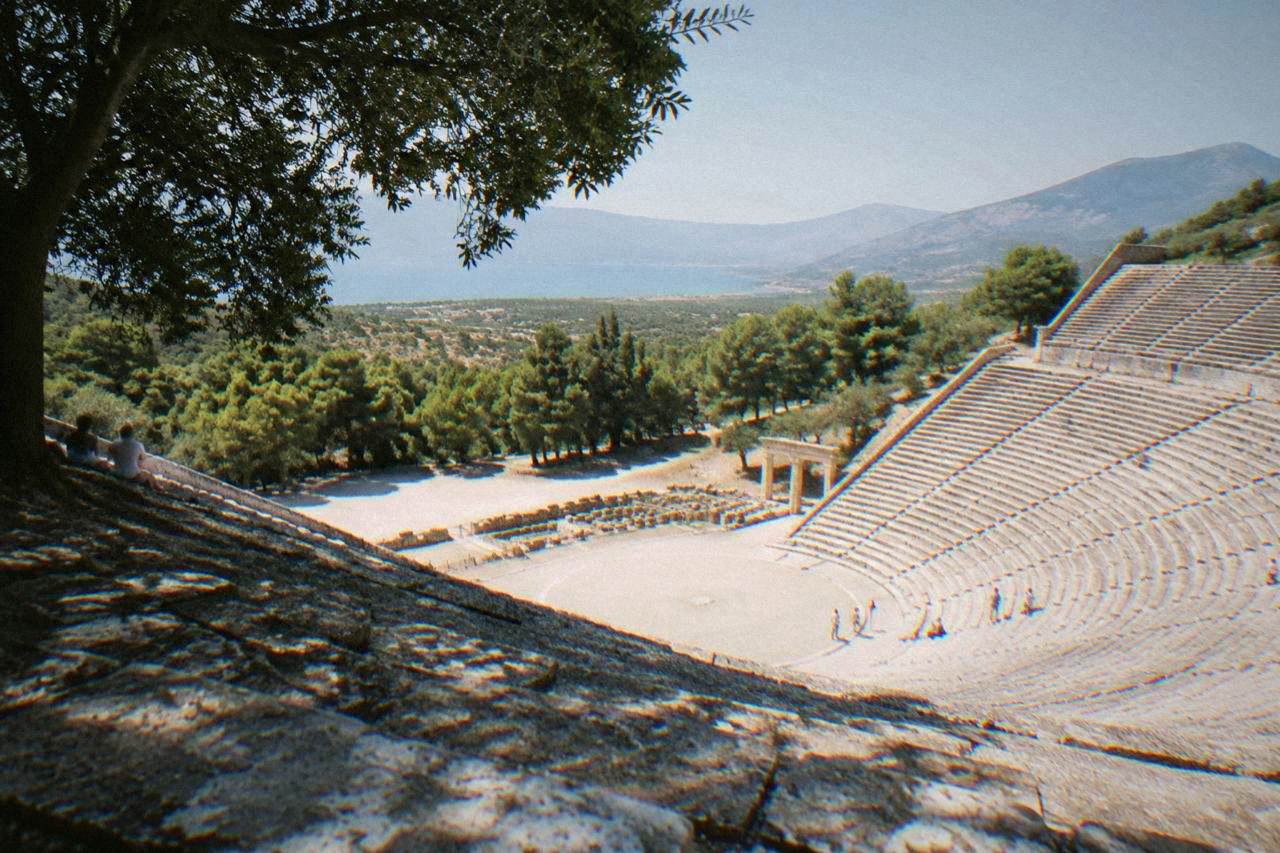
The case for Epidaurus rests on what the sanctuary was rather than on spectacle alone. Asklepios was the god of healing, and this sanctuary was the healing centre of the ancient Greek world, where the sick travelled for cures and left records of them. The ruins of the sanctuary buildings, the temple, the tholos and the stadium, are laid out across a quiet wooded valley, and the museum beside them holds the finds. The theatre is the structure that survives in extraordinary condition, and its setting under pines is part of the experience. Anyone based in Nafplio for two days or more can reach it comfortably, and the three days in Nafplio itinerary treats it as a standard second-day move.
The honest qualification is that Epidaurus is a half-day site rather than a full day. Visitors who want ruins with a fortress, a museum in town and an evening on the waterfront will still spend their nights in Nafplio; the guide to what Nafplio is famous for explains that division of labour. Epidaurus supplies the ancient half of the Argolid story, and Mycenae, about 32 minutes the other side of Nafplio, supplies the Bronze Age half.
How Far Is Epidaurus From Nafplio And How Do You Get There?
The theatre of Epidaurus lies about 41 minutes and 28 km by road from Syntagma Square in Nafplio, a computed free-flow driving time, and Palaia Epidavros, the coastal village nearby, is about 47 minutes and 37 km. There is no train anywhere in this equation, since no passenger rail serves the Peloponnese line in 2026, so the choice is a car, a guided day trip or the local KTEL bus.
Driving is the flexible option, and the road east out of Nafplio is short enough that Epidaurus works as a morning trip with an afternoon back in the Old Town. A rental car is covered in detail on the site's car rental page, and parking at the site is a matter of arriving outside the midday peak in the height of summer. The KTEL Argolida local service runs toward Epidaurus for a reported fare of about 3.50 euro one way, but the service is sparse, with few departures a day, so anyone relying on it should check the timetable on the operator's site before committing a day to it. The question of whether a direct bus runs from Nafplio to Epidaurus is answered in full on its own page.
For visitors without a car, a guided trip solves the transport and the context at once. The private tour to Mycenae and Epidaurus with entrance tickets included pairs both UNESCO sites in one day from Nafplio, and there are shared and small-group versions across the site's Mycenae and Epidaurus tours category.
The Athens Epidaurus Festival stages summer performances in the ancient theatre itself, reported as running mostly in Friday and Saturday pairs through the season, which turns a visit into an evening event for anyone who books a performance ticket. The programme for a future season is announced by the festival in its own time, so anyone planning a trip around a performance should check the festival's own channels rather than a guide page.
What Do The Tickets And Opening Hours Look Like?
The 2026 Epidaurus ticket is 20 euro full and 10 euro reduced, per the Ministry of Culture's visiting page, and one entry covers the theatre, the sanctuary and the museum. Winter hours are 08:00 to 17:00, from 1 March 2026 the site runs 08:00 to 18:00, and the summer schedule then follows the standard state-site pattern, reaching 08:00 to 20:00 from early May.
The reduced 10 euro ticket is sold only from 1 October to 31 May, so summer visitors pay the full price; that rule catches out people who have read older pages quoting both prices year-round. Greek state sites also open free on fixed days: 6 March, 18 April, 18 May, the last weekend of September, the first and third Sunday of each month from November to March, and 28 October. Those free days apply across the state network, so a well-timed Argolid trip can take in Epidaurus and Palamidi Fortress in Nafplio, 20 euro full and 10 euro reduced in its own right, on the same free Sunday. The wider set of guides lives on Nafplio Travel Guide.
| Item | 2026 figure | Notes |
|---|---|---|
| Full ticket | 20 EUR | Theatre, sanctuary and museum on one entry |
| Reduced ticket | 10 EUR | Sold only 1 October to 31 May |
| Winter hours | 08:00 to 17:00 | From 1 March 2026, 08:00 to 18:00 |
| Summer hours | Up to 08:00 to 20:00 | Standard state schedule from early May |
| Drive from Nafplio | About 41 minutes, 28 km | From Syntagma Square, free-flow |
| UNESCO inscription | 1988 | Sanctuary of Asklepios at Epidaurus |
One nearby site is not on the itinerary. The Little Theatre of Ancient Epidaurus at Palaia Epidavros is listed by the Ministry as closed to day visits, and it is used for festival performances; older guides that recommend it as a stop are out of date. The main theatre and sanctuary at Epidaurus is the visitable site, and the Epidaurus day trip page collects the practical detail.
What Do You Actually See At The Sanctuary Of Asklepios?
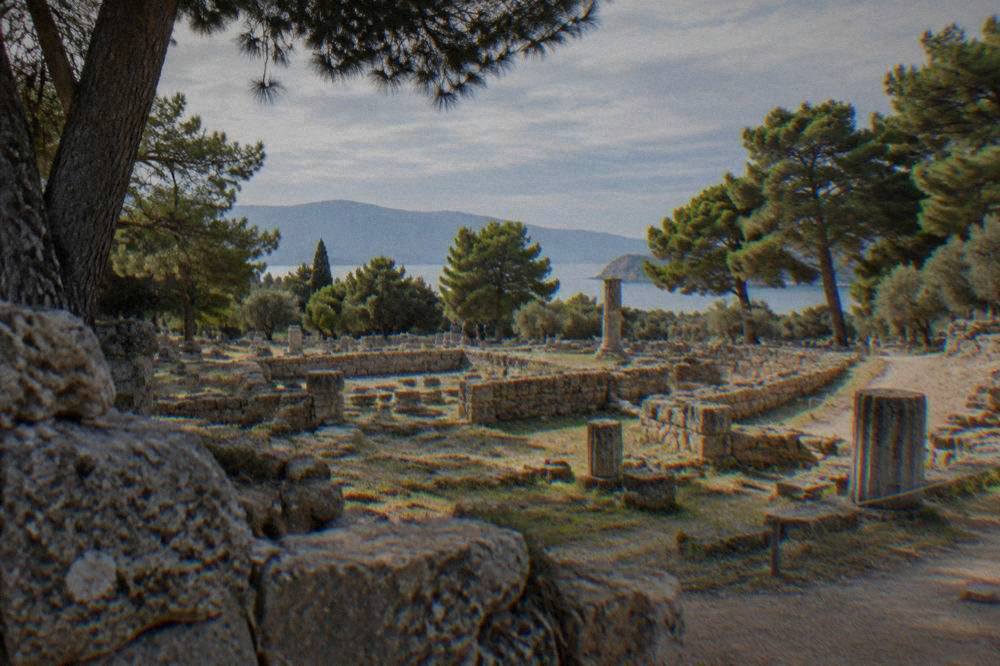
The visitable site holds the theatre, the foundations of the sanctuary buildings, including the temple and the tholos of Asklepios, the stadium, and a site museum with the sanctuary's finds, all on one 20 euro ticket in 2026. The sanctuary was the healing centre of the ancient Greek world, dedicated to Asklepios, the god of medicine, and the ruins are set in a wooded valley below the theatre.
The theatre is the draw, and its condition is what sets it apart from most Greek theatres: the seating rings survive nearly complete, and standing on the stage line and speaking at conversational volume is the demonstration every visitor repeats. What the site does not offer is a fortress, a town or a beach; it is a sanctuary in a valley, and the visit is a walk through the ruins, the museum and the theatre tiers. The stadium, a short walk from the main circuit, is often the quietest corner of the site.
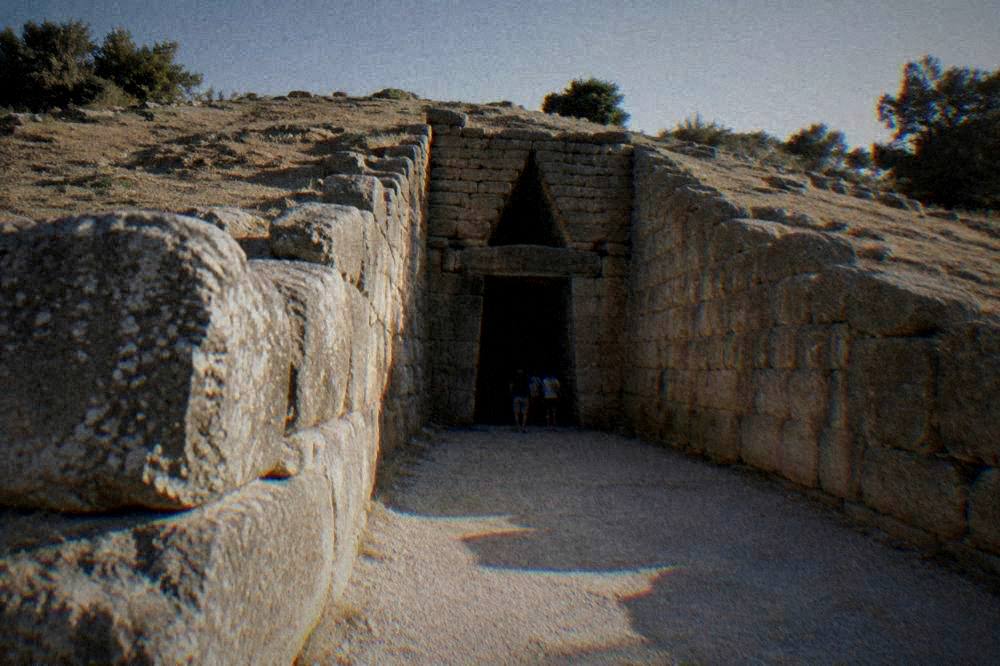
Compared with Mycenae, the two sites ask different things of a visitor. Mycenae is a citadel and its tombs, including the Treasury of Atreus, with the 20 euro ticket covering the site, the museum and the tomb, about 32 minutes from Nafplio. The editorial comparison of which is better, Mycenae or Epidaurus works through the trade-offs, and the short version is that Mycenae brings the myth and the view, Epidaurus the architecture and the calm.
Can You Combine Epidaurus With A Nafplio Trip?
Yes, comfortably. Epidaurus is about 41 minutes by road from Nafplio and Mycenae about 32 minutes the other way, so a base in Nafplio can cover both UNESCO sites, the Palamidi Fortress above the Old Town and the coastal villages such as Tolo, about 17 minutes south, inside a two or three day stay. The two ancient sites share the same state opening schedule in summer, which makes a one-day pairing practical.
The question of visiting Mycenae and Epidaurus in one day is common, and the arithmetic supports it: roughly an hour of driving between bases and sites in total, two sites of half-day size, and opening hours that run to 20:00 in high summer. A self-drive day starts early at Mycenae, breaks for lunch in Nafplio or on the coast, and reaches Epidaurus in the afternoon when the coach groups have thinned. Visitors who prefer not to drive can take a guided pairing, and the Argolid road trip page extends the same logic to Tiryns, about 9 minutes from Nafplio, and Argos, about 18.
For anyone still deciding whether the region as a whole repays the travel from Athens, about 141 km away by road, the wider case is made on is the Peloponnese worth visiting, and the Nafplio-specific case on is Nafplio worth visiting. The cluster of sights within an hour of one town is the argument: two UNESCO sites, three fortresses, beaches at Arvanitia and Karathona, and the first capital of modern Greece from 1827 to 1834.
Between the two bands above sit options for every style of visit: a private pairing with tickets included, a large-group budget coach from Athens, and a standalone entry ticket with optional audio guide for visitors who only need the admission handled. Whichever route fits, the site itself is the constant: a 20 euro ticket, hours that stretch to 20:00 in summer, and a theatre that closes the argument on its own.
Common Questions About Epidaurus
Is Epidaurus Worth Visiting?
Yes. It is a UNESCO World Heritage site inscribed in 1988, its single 2026 ticket of 20 euro full and 10 euro reduced covers the theatre, sanctuary and museum, and it is about 41 minutes by road from Nafplio, which makes it one of the easiest major ancient sites to reach from an Argolid base.
How much does Epidaurus cost in 2026?
20 euro full and 10 euro reduced, per the Ministry of Culture's visiting page, with the reduced ticket sold only from 1 October to 31 May. The same entry covers the theatre, the sanctuary of Asklepios and the site museum.
What are the opening hours at Epidaurus?
Winter hours are 08:00 to 17:00, and from 1 March 2026 the site runs 08:00 to 18:00, then follows the standard state summer schedule, reaching 08:00 to 20:00 from early May, with progressive reductions through September and October.
Can you visit the Little Theatre of Ancient Epidaurus?
No. The Ministry lists the Little Theatre at Palaia Epidavros as closed to day visits; it is used for festival performances. The main theatre and sanctuary at Epidaurus is the visitable site.
How far is Epidaurus from Nafplio?
About 41 minutes and 28 km by road from Syntagma Square in Nafplio, a computed free-flow driving time. Palaia Epidavros on the coast is about 47 minutes and 37 km.
Can you see Epidaurus and Mycenae on the same day?
Yes. Mycenae is about 32 minutes from Nafplio and Epidaurus about 41, both share the summer state opening schedule, and both are half-day sites, so a one-day pairing from a Nafplio base is practical, by car or on a guided day trip.